
Struggling to get a decent night’s sleep? You’re not alone. Research shows that around 30-50% of adults don’t get the sleep they need, and the knock-on effects can be serious, from mood swings and brain fog to increased risk of heart problems and metabolic issues.
There are numerous sleep aids on the market, from environment-enhancing products to more natural and the medicinal ones. However, although medication often helps users to sleep, it doesn’t treat the cause, and environment-enhancing products typically only work until your body becomes resistant to those changes, too.
A new approach to poor sleep is being researched: peptides.
Peptides are naturally occurring compounds that your body already uses to regulate everything from growth to recovery. Some of these clever molecules have shown real promise when it comes to improving sleep quality and duration.
What Are Peptides, and How Do They Work?
Peptides are short chains of amino acids; simply put, they are smaller versions of proteins. Your body produces them naturally, and they act as signalling molecules, telling different systems what to do and when to do it.
When it comes to sleep, certain peptides interact with your brain’s sleep-wake centres, hormone production, and circadian rhythms. By supplementing with specific peptides, you may be able to nudge these systems back into balance, particularly if stress, age, or lifestyle factors have thrown them off course.
DSIP: The Original Sleep Peptide
What Is DSIP?
Delta Sleep-Inducing Peptide (DSIP) was first isolated back in 1977 from rabbit brain tissue, and it’s been intriguing researchers ever since. This naturally occurring peptide is produced in the hypothalamus, the region in the brain responsible for regulating sleep, body temperature, and hormone release.
What makes DSIP particularly interesting is its ability to cross the blood-brain barrier, something many compounds struggle to do. It’s also present in human breast milk at higher concentrations, which has led some researchers to theorise that it might play a role in helping newborns settle into sleep after feeding.
The Science Behind DSIP
DSIP’s exact mechanism isn’t fully understood, but research suggests it works through endocrine regulation. Sleep quality and duration are heavily influenced by hormones like growth hormone-releasing hormone (GHRH), which contributes to slow-wave sleep, which is the deep, restorative stage we all need.
Studies indicate that DSIP may stimulate GHRH secretion, thereby promoting deeper sleep stages. A 1987 study published in Peptides found that DSIP stimulated growth hormone release in rats through both hypothalamic and pituitary actions, supporting its role in sleep regulation.
What the Research Shows
Human trials on DSIP are limited but promising. In 1981, a study was published in the International Journal of Clinical Pharmacology, Therapy and Toxicology, detailing the findings of six volunteers who received DSIP intravenously. The results showed an increased total sleep time, decreased sleep onset, and better sleep efficiency, all without sedative side effects that are typically observed in mainstream medicinal treatments.
Three years later, a 1984 trial published in European Neurology looked at ten individuals with insomnia. After DSIP administration, participants experienced statistically significant improvements, including fewer sleep disruptions, greater sleep efficiency, and increased REM and slow-wave sleep.
Peptides are to be used for research purposes and are not approved for human consumption.
Growth Hormone Secretagogues: CJC-1295 and Ipamorelin
How They Work Together
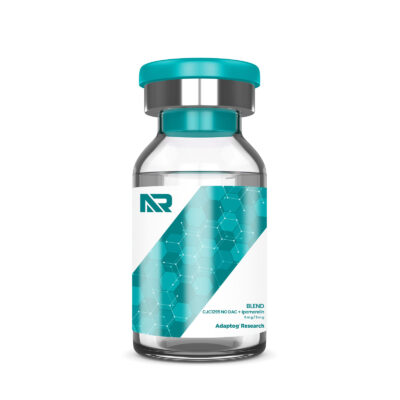
CJC-1295 and Ipamorelin are often used as a combination therapy. CJC-1295 is a long-acting analogue of growth hormone-releasing hormone (GHRH), while Ipamorelin is a selective ghrelin receptor agonist. Using them together has a complementary effect on growth hormone production.
CJC-1295 provides sustained growth hormone release lasting approximately six days after injection, whilst Ipamorelin delivers short, pulsatile bursts lasting only a few hours. This combination aims to mimic the body’s natural growth hormone patterns more effectively than either peptide is capable of alone.
Sleep Quality Improvements
Studies conducted in the 1990s revealed that higher GHRH activity increases slow-wave sleep and decreases patterns of wakefulness throughout the night. GHRH is crucial for transitioning from the light sleep stages into the deep sleep stages and staying in the deep sleep for longer periods of time.
Research indicates that CJC-1295 and Ipamorelin may be particularly effective for individuals who consistently wake up in the early hours, a frustrating pattern often linked to disrupted circadian rhythms. By helping to regulate these rhythms, the peptide combination may promote deeper, more continuous sleep.
Additional Benefits
Beyond sleep, CJC-1295/Ipamorelin has shown promise for:
- Muscle recovery and repair: Studies suggest it may speed up natural healing mechanisms by targeting bones, muscles, and tissues whilst reducing inflammation
- Enhanced body composition: By stimulating protein synthesis and targeting adipose cells for energy
- Cognitive function: Better sleep leads to improved cortisol management and daytime mental clarity
You can purchase our CJC-1295 x Ipamorelin blend HERE
Peptides are to be used for research purposes and are not approved for human consumption
Additional Peptides That Help With Sleep
Although not their primary use, BPC-157 and collagen-based peptides have all been reported to improve sleep as well.
BPC-157
BPC-157 (Body Protection Compound-157) isn’t primarily a sleep peptide, but it can indirectly support better rest through its powerful healing and anti-inflammatory properties.
BPC-157 is typically used for its healing properties; its ability to reduce inflammation and improve tissue repair can contribute to reducing the pain and discomfort associated with an injury or post-op pain. Research revealed that those in trials of BPC-157 have reported improved sleep quality because their pain is no longer disrupting their sleep. So while BPC-157 isn’t a sleep peptide, it can help with sleep disruption caused by pain.
You can purchase our BPC-157 HERE
Collagen Peptides for Sleep Fragmentation
Collagen peptides, particularly those rich in glycine, have shown interesting effects on sleep quality. A 2023 study published in the European Journal of Sport Science examined males who were physically active but with sleep complaints. Over seven nights they took 15 grams of collagen peptides one hour before going to bed.
The participants experienced significantly fewer awakenings during the night and showed improved cognitive function the following morning. Whilst collagen peptides didn’t increase total sleep duration, they did reduce sleep fragmentation, which is crucial for feeling genuinely rested. The glycine content in collagen appears to play a key role in calming the nervous system and lowering core body temperature, both of which support uninterrupted sleep.
Potential Side Effects of Peptides
While peptides show huge promise in the aid and treatment of many health issues, the majority of them are not yet approved for human consumption. However, another positive in the bid to get more peptides approved is that they are generally well-tolerated with minimal side effects.
Typically, side effects include:
- Injection site reactions (redness, mild discomfort)
- Headaches or mild fatigue during the adjustment period
- Water retention
- Low-grade nausea
Prolonged use or excessive doses require further research, which is why the advice is to always speak to a medical professional.
Final Thoughts
Peptides like DSIP, CJC-1295, and Ipamorelin represent an innovative way to improve poor sleep issues and to get better sleep quality during our sleep. The research, whilst still developing, shows genuine promise for improving sleep quality, duration, and the restorative processes that happen whilst you rest.
Peptides work best as part of a lifestyle approach, with appropriate nutrition, regular exercise, stress management, and good sleep habits. If you have already built good lifestyle habits but sleep remains an issue, then explore peptides with the guidance of a medical professional.
Ready to take control of your sleep? Explore our range of peptides HERE
Disclaimer: This article is for informational purposes only and does not constitute medical advice. Always consult with a qualified healthcare provider before starting any peptide therapy or supplement regimen, as peptides are to be used for research purposes and are not approved for human consumption.
References:
- Delta-sleep-inducing peptide (DSIP): an update – PubMed
- DSIP in insomnia – PubMed
- Delta-sleep-inducing peptide (DSIP): a review – PubMed
- DSIP–a tool for investigating the sleep onset mechanism: a review – PubMed
- DSIP in sleep disturbances – PubMed
- The phosphorylated analogue of DSIP enhances slow wave sleep and paradoxical sleep in unrestrained rats – PubMed
- Human plasma DSIP decreases at the initiation of sleep at different circadian times – PubMed
- The effects of delta-sleep-inducing peptide (DSIP) on wakefulness and sleep patterns in the cat – PubMed
- Therapeutic Peptides in Orthopaedics: Applications, Challenges, and Future Directions – PubMed
- Collagen peptide supplementation before bedtime reduces sleep fragmentation and improves cognitive function in physically active males with sleep complaints – PubMed
- A combined effect of fish-originated collagen peptides and caffeine on the cognitive function of sleep-deprived mice – PubMed
- The temporal relation between HGH release and sleep stage changes at nocturnal sleep onset in man – PubMed