
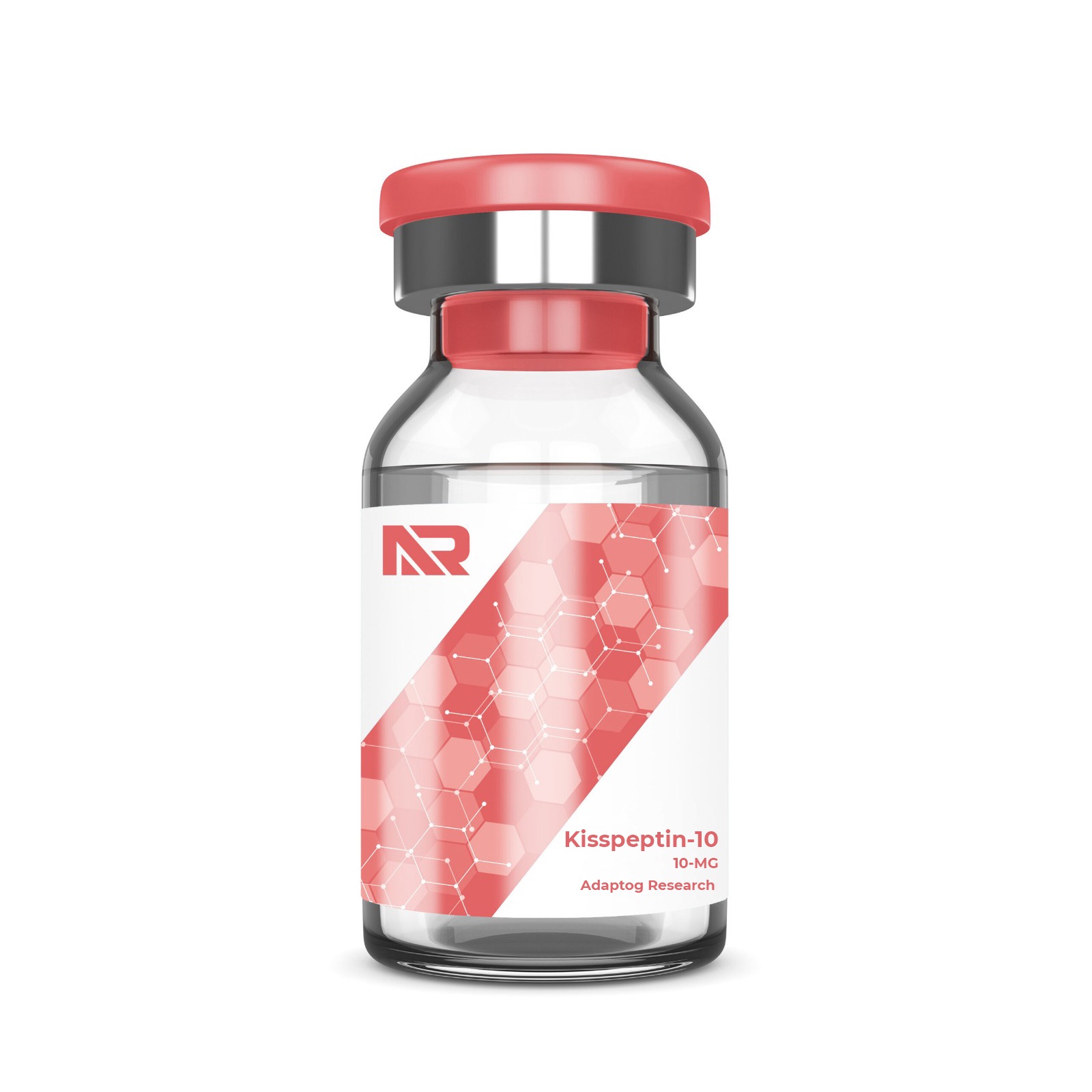
Kisspeptin is a neuropeptide that plays an important role in regulating various functions in the body, most notably reproductive function. It is produced by neurons in the hypothalamus and acts by binding to the receptor, KISS1R. These receptors are present on gonadotropin-releasing hormone (GnRH) neurons and stimulate GnRH secretion. Despite being best known for its use as a reproductive peptide, research has unveiled other potential therapeutic uses for it in recent years, due to its ability to regulate metabolism, behaviour and inflammation.
Mechanism of Action
Kisspeptin is known to bind to KISS1R in several different tissues, including:
- The hypothalamus: It stimulates the secretion of GnRH by stimulating GnRH neurons. Kisspeptin neurons work together with neurokinin B and dynorphin to fine-tune the pulsatile secretion of GnRH, which then regulates luteinising hormone (LH) and follicle-stimulating hormone (FSH) secretion [1].
- Other areas of the brain: It alters sensory processing and behaviour through the activation of KISS1R in the hypothalamic, limbic and paralimbic regions of the brain. In rodents, it can alter sexual behaviour such as partner preference and sexual motivation, seemingly independent of testosterone levels, suggesting that it has a more direct neural effect rather than eliciting these changes through its ability to influence sex hormones [2,3]. It has also been found to improve mood and reduce anxiety. It interacts with the dopaminergic and serotonergic systems to increase impulsivity, compulsivity and reinforcement behaviour [4,5].
- Peripheral tissues: It is found in several different reproductive tissues in both men and women, where it plays a role in steroidogenesis, gametogenesis, sperm maturation, fertilisation, adaptation of the uterus to pregnancy and embryo implantation [1]. In the pancreas, it influences pancreatic islet cells, potentiating insulin secretion in response to glucose [6]. In the liver and airways, it helps to inhibit fibrosis [7], while in adipose tissue, some studies have found that it promotes lipolysis [8].
Therapeutic Potential
Because KISS1R is expressed in various tissues throughout the body, kisspeptin has broad potential therapeutic uses. Its medical use is currently focused on the treatment of:
- Reproductive disorders: It is used to stimulate GnRH secretion, leading to an increase in LH, which is essential for oocyte maturation during IVF [9]. It is also used as a diagnostic tool to test GnRH neuronal function [10] and predict puberty onset [11].
It is currently being investigated for its potential use for the treatment of:
- Hypothalamic amenorrhea (HA): This condition is linked to the dysregulation of the hypothalamic-pituitary-gonadal axis. Kisspeptin can stimulate this axis by promoting GnRH secretion, thereby increasing reproductive hormone levels. By administering it twice weekly, desensitisation can be minimised and hormone levels sustained [12].
- Fatty liver disease: KISS1R activation decreased lipogenesis and prevented the development of non-alcoholic fatty liver disease in mouse models by lowering triglyceride synthesis and liver steatosis [13]. In human liver cells, it inhibited fibrogenesis, indicating that it could reduce scarring in liver disease [14].
- Obesity: KISS1R knockout models have shown us that impaired kisspeptin signalling has sexually dimorphic consequences, with female mice developing metabolic dysfunction, while males were less affected [15]. When administered to obese mice, kisspeptin reduced body weight, blood glucose and energy intake while improving pancreatic islet function [16]. It has been tested in both healthy men and obese women, where it was found to have no effect on food intake or hunger, but did enhance insulin secretion [17,18]. These results indicate that it may have metabolic effects that are unrelated to appetite in humans.
- Osteoporosis: In models of osteoporosis, kisspeptin enhanced the development of bone and reduced its resorption [19]. In female rats with bone loss driven by hormonal deficiency, it prevented bone loss by enhancing osteoblast activity [20]. Its activity on bone growth is not straightforward and can be inhibitory under some circumstances [21], but overall, it appears to be beneficial in vivo.
- Male fertility: When supplemented, kisspeptin improved sperm motility and viability in animal models, indicating that it may be of value in the enhancement of male fertility [22].
- Sexual dysfunction: Because it may influence sexual behaviour and emotional processing, it may have some use in the treatment of sexual dysfunction, including psychosexual disorders. It improved the brain responses of women with hypoactive sexual desire disorder (HSDD) to sexual stimuli and increased feelings of sexual desire [23].
Kisspeptin has a well-established use as a medicine for reproductive health, but may also prove useful in the treatment of other sexual disorders and metabolic diseases. Many of these studies are on animals or small numbers of humans, so require further larger-scale studies to confirm safety and efficacy.
Safety
Clinical trials of kisspeptin and other KISS1R agonists have found them to be safe and well-tolerated. No serious side effects or adverse events have been reported in relation to their use.
How It Compares to HCG
Both kisspeptin and HCG are used in the treatment of fertility disorders, although their mechanisms of action are different. HCG is typically produced by the placenta during pregnancy, so it is strongly associated with reproduction and progression of pregnancy, while kisspeptin is secreted by neurons in the hypothalamus in response to sex hormones, metabolic signals and other neuropeptides. Here is how they compare:
- Reproduction and fertility: HCG works by binding to LH/choriogonadotropin receptors in the ovaries and testes, promoting steroidogenesis and supporting luteal function. Kisspeptin stimulates the hypothalamic-pituitary-gonadal (HPG) axis, which promotes LH and FSH release, enhancing testosterone production and promoting ovulation. Since kisspeptin induces oocyte maturation indirectly, there is a lower risk of ovarian hyperstimulation syndrome compared to HCG when using this as a fertility treatment in women [10]. Both HCG and kisspeptin have similar effects on fertility in men and women, but HCG acts more directly and potently, sometimes to a fault.
- Central effects: Kisspeptin acts on GnRH neurons, increasing gonadotropin and sex hormone secretion. Its central actions not only alter hormone levels but also directly influence behaviour. HCG mainly acts peripherally to alter hormone levels, but can also act centrally to influence brain function and development [24].
They are both useful in treating reproductive disorders, but kisspeptin’s influence on reproductive function is more indirect, making its downstream effects subject to control by other limiting steps and reducing the chances of complications.
Data Sheet
- Application: Research on reproduction, metabolism and behaviour.
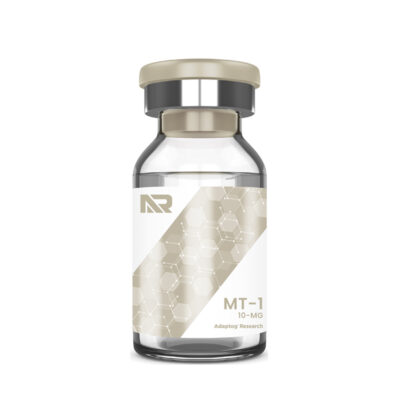
- Pack Sizes: 10 mg
- CAS Number: 374675-21-5
- Molecular Weight (g/mol): 1302.4
- Sequence: H-Tyr-Asn-Trp-Asn-Ser-Phe-Gly-Leu-Arg-Phe-NH₂
- Chemical Formula: C63H83N17O14
- Synonyms: Kisspeptin-10, Human metastin 45-54
- Storage: Keep refrigerated at 2-8°C until use. For long-term storage, keep at -20°C.
- Reconstitution: Reconstitute in sterile water. The reconstituted solution is stable for up to 30 days at 2-8°C.
- Organoleptic Profile: White to off-white lyophilised powder
- Physical Form: Solid
Conclusion
Kisspeptin is safely used in the treatment of reproductive disorders, but its receptors are found in other, non-reproductive tissues. This has led to more research being conducted into what other biological effects it may have. It is now understood that it can affect other systems in the body, alter metabolism and modulate immune function. In clinical tests, it is safe and well-tolerated. There remain many unanswered research questions about kisspeptin and the effects it has on different tissues. Further clinical research is warranted so that we may better understand its complex function in the body.
References
- Xie Q, Kang Y, Zhang C, et al. The Role of Kisspeptin in the Control of the Hypothalamic-Pituitary-Gonadal Axis and Reproduction. Front Endocrinol. 2022;13:925206. doi:10.3389/fendo.2022.925206
- Hellier V, Brock O, Bakker J. The Role of Kisspeptin in Sexual Behavior. Semin Reprod Med. 2019;37(2):84-92. doi:10.1055/s-0039-3400992
- Tissen I, Magarramova L, Badrutdinov R, Takeeva Z, Proshin S, Shabanov P. Possible Role of Kisspeptin in Testosterone-Independent Regulation of Sexual Motivation in Male Rats. Georgian Med News. 2022;(323):122-125.
- Tanaka M, Csabafi K, Telegdy G. Neurotransmissions of antidepressant-like effects of kisspeptin-13. Regul Pept. 2013;180:1-4. doi:10.1016/j.regpep.2012.08.017
- Comninos AN, Wall MB, Demetriou L, et al. Kisspeptin modulates sexual and emotional brain processing in humans. J Clin Invest. 127(2):709-719. doi:10.1172/JCI89519
- Schwetz TA, Reissaus CA, Piston DW. Differential Stimulation of Insulin Secretion by GLP-1 and Kisspeptin-10. PLoS ONE. 2014;9(11):e113020. doi:10.1371/journal.pone.0113020
- Prasad K, Bhattacharya D, Shams SGE, et al. Kisspeptin Alleviates Human Hepatic Fibrogenesis by Inhibiting TGFβ Signaling in Hepatic Stellate Cells. Cells. 2024;13(19):1651. doi:10.3390/cells13191651
- Pruszyńska-Oszmałek E, Kołodziejski PA, Sassek M, Sliwowska JH. Kisspeptin-10 inhibits proliferation and regulates lipolysis and lipogenesis processes in 3T3-L1 cells and isolated rat adipocytes. Endocrine. 2017;56(1):54-64. doi:10.1007/s12020-017-1248-y
- Sharma B, Koysombat K, Comninos AN, Dhillo WS, Abbara A. Use of kisspeptin to trigger oocyte maturation during in vitro fertilisation (IVF) treatment. Front Endocrinol. 2022;13:972137. doi:10.3389/fendo.2022.972137
- Hu KL, Chen Z, Li X, et al. Advances in clinical applications of kisspeptin-GnRH pathway in female reproduction. Reprod Biol Endocrinol. 2022;20(1):81. doi:10.1186/s12958-022-00953-y
- Chan YM, Lippincott MF, Sales Barroso P, et al. Using Kisspeptin to Predict Pubertal Outcomes for Youth With Pubertal Delay. J Clin Endocrinol Metab. 2020;105(8):e2717-e2725. doi:10.1210/clinem/dgaa162
- Jayasena CN, Nijher GMK, Abbara A, et al. Twice-Weekly Administration of Kisspeptin-54 for 8 Weeks Stimulates Release of Reproductive Hormones in Women With Hypothalamic Amenorrhea. Clin Pharmacol Ther. 2010;88(6):840-847. doi:10.1038/clpt.2010.204
- Guzman S, Dragan M, Kwon H, et al. Targeting hepatic kisspeptin receptor ameliorates nonalcoholic fatty liver disease in a mouse model. J Clin Invest. 2022;132(10):e145889. doi:10.1172/JCI145889
- Prasad K, Bhattacharya D, Shams SGE, et al. Kisspeptin Alleviates Human Hepatic Fibrogenesis by Inhibiting TGFβ Signaling in Hepatic Stellate Cells. Cells. 2024;13(19):1651. doi:10.3390/cells13191651
- Tolson KP, Garcia C, Yen S, et al. Impaired kisspeptin signaling decreases metabolism and promotes glucose intolerance and obesity. J Clin Invest. 2014;124(7):3075-3079. doi:10.1172/JCI71075
- Sridhar A, Khan D, Muthukumar R, et al. Kisspeptin-10 Ameliorates Obesity-Diabetes with Diverse Effects on Ileal Enteroendocrine Cells and Pancreatic Islet Morphology in High-Fat Fed Female Mice. Biomolecules. 2025;15(11):1591. doi:10.3390/biom15111591
- Izzi‐Engbeaya C, Comninos AN, Clarke SA, et al. The effects of kisspeptin on β‐cell function, serum metabolites and appetite in humans. Diabetes Obes Metab. 2018;20(12):2800-2810. doi:10.1111/dom.13460
- Izzi‐Engbeaya C, Choudhury MM, Patel B, et al. The effects of kisspeptin on food intake in women with overweight or obesity. Diabetes Obes Metab. 2023;25(8):2393-2397. doi:10.1111/dom.15086
- Habib MA, Abdelgeleel H, Ebrahim R. Chronic kisspeptin-10 ameliorates osteoporotic changes in orchidectomized male albino rats: involvement of Bone morphogenic protein-2 and Wnt/β-catenin signaling pathways. Zagazig Univ Med J. Published online November 1, 2024. doi:10.21608/zumj.2024.264538.3128
- Santos M de S, Araujo-Lopes R, Alves IBP, et al. Kisspeptin Prevents Bone Loss Caused by the Lack of Estrogen in Ovariectomized Rodents. A352.
- Guimarães LB, Machado DPD, Carvalho Versiani Caldeira BF, et al. Kisspeptin (Kp-10) inhibits in vitro osteogenic differentiation of multipotent mesenchymal stromal cells extracted from the bone marrow of adult rats. Acta Histochem. 2023;125(8):152112. doi:10.1016/j.acthis.2023.152112
- Singh B, Singh AK, Devi P, et al. Effect of Kisspeptin Fortification in Freezing Media on Post-Thaw Quality and Fertility of Buffalo Bull Semen. Reprod Domest Anim. 2025;60(9):e70124. doi:10.1111/rda.70124
- Thurston L, Hunjan T, Ertl N, et al. Effects of Kisspeptin Administration in Women With Hypoactive Sexual Desire Disorder: A Randomized Clinical Trial. JAMA Netw Open. 2022;5(10):e2236131. doi:10.1001/jamanetworkopen.2022.36131
- Lei ZM, Rao CV. Neural Actions of Luteinizing Hormone and Human Chorionic Gonadotropin. Semin Reprod Med. 2001;19(01):103-110. doi:10.1055/s-2001-13917
Reviews
There are no reviews yet.