
A healthy functioning liver is crucial to overall health. Every day, a liver performs over 500 vital functions, such as filtering toxins, producing bile to allow for digestion, storing essential vitamins and minerals and regulating blood sugar levels. A poorly functioning liver negatively affects other areas of the body.
Millions of people globally are affected by liver disease, and approximately 25% of the global population is affected by non-alcoholic fatty liver disease. Chronic liver conditions can lead to more serious issues, such as liver failure, cirrhosis and hepatocellular carcinoma. However, the liver is known for its incredible ability to heal and regenerate, making it the perfect candidate for therapeutic research.
Recent scientific research into therapeutic treatments for the liver has expanded to include peptide therapy and has explored its potential hepatoprotective properties. In laboratory and clinical studies, peptides such as kisspeptin, retatrutide and BPC-157 have all shown promising results and an insight into understanding liver health at a molecular level.
While not yet approved for human consumption, these peptides could be an exciting option for the future treatment of liver conditions. We’ve collated some of the research on three of the main peptides that improve liver health.
What are Peptides?
Peptides are short chains of amino acids that serve as signalling molecules in biological systems. They attach to specific receptors, triggering cellular responses that can influence metabolism, inflammation, tissue repair, and numerous other physiological processes.
Retatrutide
Retatrutide is a novel triple agonist peptide that activates three distinct receptors: GIP (glucose-dependent insulinotropic polypeptide), GLP-1 (glucagon-like peptide-1), and glucagon receptors. This mechanism of action is particularly unique and makes retatrutide one of the most exciting peptides in metabolic research.
Liver Health Research Findings
In published studies on retatrutides effects on the liver have demonstrated the following;
Hepatic Steatosis Reduction: Laboratory investigations have shown that retatrutide administration in animal models reduced liver fat accumulation. The compound’s effect on lipid metabolism appears to reduce triglyceride storage in hepatocytes.
Metabolic Regulation: Retatrutide shows promise in boosting insulin sensitivity and balancing glucose levels by working on several metabolic pathways at the same time. Research models link these metabolic boosts with less strain on the liver.
Anti-Inflammatory Properties: Early studies suggest that retatrutide may reduce inflammation associated with worsening liver disease. Researchers found lower amounts of pro-inflammatory cytokines in those given the treatment.
Simply put, retatrutide helps to reduce fat buildup in liver cells, which reduces the risk of developing fatty liver disease that can progress to more serious conditions. By improving how the body responds to insulin and manages blood sugar across multiple metabolic pathways, retatrutide takes pressure off the liver and helps it function more efficiently. Additionally, its anti-inflammatory properties can help to calm the chronic inflammation that often drives liver disease progression, potentially slowing or preventing the damage that leads to scarring and loss of liver function over time.
Research available in scientific databases shows that the triple-agonist mechanism of retatrutide offers greater metabolic benefits than targeting a single receptor like other peptides do. Retatrutide is not yet approved for human use, but its ability to target different pathways simultaneously makes it a prime candidate for future therapeutic treatment of complicated liver issues.
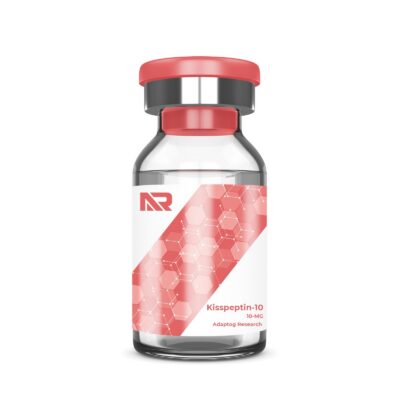
Kisspeptin
Kisspeptin was originally identified for its role in reproductive hormone regulation; however, more studies have revealed unexpected connections to metabolic health. Kisspeptin works by binding to the GPR5F receptor, starting a cascade of signals that extends beyond the hypothalamic-pituitary-gonadal axis, which is where its other benefits were discovered.
Hepatic Metabolism Research
Glucose Metabolism: Research demonstrates that kisspeptin signalling affects hepatic glucose production. Studies in animal models show that kisspeptin administration influences gluconeogenesis and glycogen storage in liver tissue.
Lipid Processing: Laboratory findings indicate that kisspeptin may play a role in hepatic lipid metabolism. During studies on animal subjects, following kisspeptin treatment, scientists observed positive changes in fatty acid oxidation and lipid synthesis pathways.
Insulin Sensitivity: Scientific investigations suggest that kisspeptin influences insulin signalling in hepatocytes. This connection between reproductive peptides and metabolic function represents an exciting finding in liver research.
In practical terms, once approved for human use, these benefits mean that kisspeptin improves the liver’s control of blood sugar levels, helps to process fats more efficiently, and responds more effectively to insulin signals. When these systems work properly, your body maintains steadier energy levels, prevents dangerous fat accumulation in liver cells, and reduces the risk of developing metabolic problems like insulin resistance or type 2 diabetes.
Our kisspeptin for research purposes can be purchased HERE
BPC-157
BPC-157 is a synthetic peptide derived from a protective protein found in gastric juice. This 15-amino-acid sequence has been extensively studied for its potential tissue-protective and regenerative properties across multiple organ systems. Often referred to as the healing peptide, it’s of no surprise that it also shows healing potential on the liver too.
Liver Protection Research
Hepatoprotective Mechanisms: In rodent based clincial trials, BPC-157 exhibited protective action against liver injuries, such as toxin-induced liver damage, inflammatory liver conditions and ischemia-reperfusion injury. In simple terms, this process acts as a shield against toxic substances, metabolic stress, such as fat processing and oxidative stress.
Angiogenesis and Healing: BPC-157 has shown potential in promoting blood vessel formation and tissue repair. Research indicates that this peptide may support the liver’s natural regenerative capacity by enhancing vascular growth factor expression. New blood vessel formation and tissue repair are key processes of healing and ensuring that the liver receives adequate blood flow, oxygen and nutrients for healing.
Oxidative Stress Reduction: Laboratory investigations reveal that BPC-157 may reduce oxidative damage in hepatocytes. Studies have observed decreased markers of lipid peroxidation and improved antioxidant enzyme activity in treated liver tissue.
Anti-Inflammatory Effects: By modulating inflammatory pathways, BPC-157 trials have demonstrated a reduction in inflammatory infiltration and a reduction of cytokine production in the liver tissue.
When the liver suffers acute injury from toxins, infections, or other causes, how quickly and completely it heals makes a significant difference in long-term health. BPC-157 shows promise in speeding up the healing process of damaged liver tissue while helping to minimise scar formation that could otherwise impair function.
Liver fibrosis happens when excessive scar tissue builds up in the liver. If left, this can progress to cirrhosis. This means the liver becomes severely scarred and liver function becomes compromised. Studies suggest that BPC-157 might help prevent this excessive scarring from forming in the first place. Additionally, there is emerging evidence that it could also support the breakdown of fibrotic tissue that has already developed. This means the liver’s structure and function might be better preserved over time.
BPC-157s ability to influence multiple protective pathways simultaneously makes it a valuable research tool for investigating liver injury and repair mechanisms. It is one of the most heavily researched peptides and has undergone multiple animal studies, which look promising for its future approval for human consumption.
Our BPC-157 for research purposes can be purchased HERE
The Future of Peptides that Improve Liver Health
Retatrutide, kisspeptin and BPC-157 all mark an exciting time in alternative medicine and peptide therapy, in particular, these three are key peptides that promote liver health.
The research into these three peptides has revealed their unique mechanisms, ability to promote repair and improve liver function and with each study and trial, our understanding deepens. As research advances and clinical studies are conducted, these peptides move a step closer to being approved for human consumption and transforming the future treatments of liver conditions.
Our products are only intended for medical professionals to administer in research settings. These peptides are not approved for human consumption outside of approved clinical trials.
References;
Safety of Intravenous Infusion of BPC157 in Humans: A Pilot Study – PubMed
Toxicity by NSAIDs. Counteraction by stable gastric pentadecapeptide BPC 157 – PubMed
Stable gastric pentadecapeptide BPC 157 in the therapy of the rats with bile duct ligation – PubMed