Skin typically responds to UV exposure by expressing melanin, the pigment responsible for the tanned look of skin. This is a natural and beneficial response, but not all people can produce adequate melanin or are particularly susceptible to UV damage, leading to an increased risk of damage and disease. This article will go over the purpose of tanning, what can lead to inadequate melanin production or UV sensitivity and peptides that can be used to treat these conditions.
The Purpose of Tanning
We know that our skin will darken the more we expose it to the sun. We also know that if we expose ourselves to sunlight for too long, or to very intense sunlight, there is a higher chance our skin will burn. In this section, we will first look at what UV light from the sun actually does to the cells in our skin, then we will go over what the body does to help prevent and manage this damage.
The Effect of UV Light on the Body
UVB light can cause the formation of dimers between the pyrimidine bases of DNA. These dimers can destabilise DNA, causing DNA replication to stall. The process of repairing damaged DNA can introduce incorrect bases, resulting in mutations1. UVA light penetrates the deeper layers of the skin and generates reactive oxygen species (ROS), which damage DNA, lipids and proteins within cells. This damage also activates inflammatory pathways that cause pain and further damage2.
Excessive UV exposure can lead to problems such as:
- Sunburn
- Photo-immunosuppression
- Increased risk of skin cancer
- Premature aging of the skin
- Eye damage
- Photodermatoses2,3
How The Body Mitigates This Damage
When skin is exposed to UV light, it responds by producing melanin. This pigment plays a vital role in protecting the skin, acting as a natural sunscreen. There are two main types of melanin produced by the skin, pheomelanin and eumelanin. Eumelanin is responsible for the brown and black colours in skin, hair and the eyes, while pheomelanin is responsible for the pinkish colour found in lips and nipples4. When skin becomes tanned, it is eumelanin production that protects and darkens the skin. On the other hand, pheomelanin breaks down when exposed to UV and visible light. The breakdown products of pheomelanin act as pro-oxidants and photosensitisers5. In this article, when we talk about the production and activity of melanin, we will be referring to eumelanin.
When the body detects UV damage, it activates repair pathways and other protective mechanisms to help promote cell survival. It also promotes the release of α-melanocyte stimulating hormone (α-MSH), which increases the production of melanin in the skin. Melanin works by:
- Reducing DNA damage: It dissipates UV radiation by reducing the ability of the rays to penetrate the skin and protects DNA6.
- Reducing oxidative damage: Eumelanin has antioxidant properties that enable it to scavenge ROS, reducing oxidative stress7.
- Influencing DNA repair: Melanin activates the melanocortin 1 receptor (MC1R), which enhances DNA repair pathways. This improves the clearance of UV-induced lesions8.
- Lowering the risk of sunburn: Because of the improved ability to repair damage and the reduction in overall damage imparted by the presence of melanin, the risk of activating inflammatory pathways is reduced, meaning that sunburn is less likely9.
The presence of melanin also helps to prevent damage from future UV exposure as it remains in the skin for some time after production. So, although sun exposure causes damage to cells, it also triggers repair pathways and the production of melanin. This response is specific to UV damage and is the typical stimulus for melanin production.
Benefits of UV Exposure
Although UV light can be damaging to the skin, we know that we need some exposure to sunlight in order to maintain good health. Exposure to UV light is important for:
- Vitamin D synthesis
- Modulating immune function
- Anti-inflammatory effects
- Stimulating the release of nitric oxide from the skin, which can lower blood pressure and enhance cardiovascular health.
- Improving mood by stimulating endorphin release9
Epidemiological studies have linked higher UV exposure to improved overall life expectancy and a reduction in diseases such as certain cancers and autoimmune disorders10. Although UV radiation can be harmful, it is essential for good health. We must therefore balance the risks of UV exposure against the benefits to gain optimal health outcomes.
High Risk Groups
There are some people who have great difficulty in balancing the benefits against the risks. Some people are so hypersensitive to UV radiation that they cannot reap the benefits of sunlight exposure without suffering its negative effects to the point of significant risk. Such people include:
- Those with less initial pigmentation: People with naturally lighter skin and hair colour have less protective melanin and a lower minimal erythema dose (MED), so are more likely to burn instead of tanning when exposed to UV rays11.
- People with variants of the MC1R gene: This is particularly notable in people with red hair who carry loss-of-function MC1R alleles12.
- Men: Men are generally more sensitive to UV damage than women11.
There are several health conditions that may also increase sensitivity to UV damage, such as:
- Genetic conditions that affect DNA repair pathways13
- Systemic or cutaneous lupus erythematosus (SLE or CLE)14
- People with photosensitivity disorders such as xeroderma pigmentosum, erythropoietic protoporphyria and polymorphic light eruption (PLE)15
In addition to this, certain medications can sometimes cause photosensitivity, including:
- Chemotherapy drugs
- Antibiotics
- Antidiuretics
- Non-steroidal anti-inflammatory drugs (NSAIDs)
- Antifungals
- Psychotropic agents16–18
For those who are at higher risk of sunburn, sunlight exposure must be much more carefully controlled. In some cases, their reaction may be so severe that sun exposure may be out of the question. In cases such as this, having a protective buffer of melanin before sun exposure could possibly reduce the risk of harm. But how do you produce melanin without the sun to stimulate it?
Peptides That Induce a Sunless Tan
There is a range of peptides that can induce a tan in the absence of UV light. These peptides work by targeting MC1R on melanocytes. The activation of this receptor stimulates a pathway that leads to the production of melanin without the need for exposure to UV radiation.
There are five melanocortin receptors. Only one of these, MC1R, is responsible for pigmentation, but these receptors are all stimulated by the same family of ligands. This means peptides that can induce a tan can also stimulate other melanocortin receptors to activate additional pathways. These are the activities that each of the five receptors is associated with:
- MC1R: Activation of this receptor stimulates pigmentation of the hair and skin. It also modulates inflammation19.
- MC2R: This receptor is involved in stress response and steroidogenesis. Tanning peptides are not known to bind to this receptor. It is bound specifically by adrenocorticotropic hormone (ACTH).
- MC3R: This receptor regulates feeding and energy expenditure.
- MC4R: In addition to regulating feeding and metabolism, this receptor also influences sexual function.
- MC5R: This is involved in exocrine and metabolic regulation20.
Peptides that are known to stimulate MC1R to produce a tan include:
- Afamelanotide (Melanotan I): Although this peptide is an MC1R-targeted drug, it also binds to MC4R21,22.
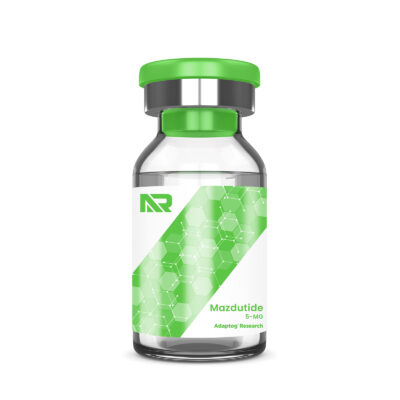
- Melanotan II: This is a non-selective melanocortin receptor agonist. Due to its lack of selectivity, it has broad effects that extend beyond the stimulation of melanin production as it binds to MC1R and MC3-4R23,24.
- Small peptide analogues of α-MSH: LK-514 is an example of one of these small peptides. It binds almost purely to MC1R, meaning that other melanocortin pathways are not triggered25.
Health Conditions That Benefit from MC1R Agonists
As mentioned earlier, there are some people who have severe reactions to UV light or who are easily sunburnt. Afamelanotide, also known as Melanotan I is sold under the brand name of Scenesse, and is prescribed for the treatment of:
- Photosensitivity disorders: It is approved for the treatment of erythropoietic protoporphyria (EPP)26.
It is being investigated for:
- The prevention of skin cancers: Due to the ability of melanin to protect from UV and associated damage, it may be able to reduce the risk of developing skin cancers due to sun exposure. It has been investigated in healthy populations where it was found to exert protective activity against UV radiation27. This offers hope that it could be used as a preventative measure for people who are most vulnerable to this type of damage.
- Other photosensitivity disorders: It is being tested in clinical trials for its effectiveness in treating solar urticaria and polymorphous light eruption.
It is not yet known whether all people who are at high risk of damage from sunlight would benefit from MC1R agonists, so research is still underway to determine the groups that would benefit most from the use of these peptides.
Side Effects of Tanning Peptides
The production of melanin is not the only process that happens when taking these peptides, especially since we know that Melanotan I and II both activate more than just MC1R.
Known side effects and adverse effects of Melanotan I include:
- Headache
- Nausea
- Fatigue
- Nasopharyngitis
- Back pain
- Flushing
- Local implant‑site reactions (if administered as an implant)
- Diffuse skin darkening
- Changes in existing moles
Known side effects and adverse effects of Melanotan II include:
- Nausea
- Facial flushing
- Fatigue
- Somnolence
- Yawning/stretching
- Increased libido and spontaneous erections
- Skin darkening
- Darkening/eruption of moles
- Dysplastic naevi
- Melanomas, including mucosal melanoma
- Infection/contamination risks from illicit supply
We are far more aware of the safety and side effects of Melanotan I, since this peptide has been well characterised and used for the treatment of EPP, while Melanotan II is associated with multiple cases of melanoma and broad side effects and adverse events. Melanotan II is also only available from unlicensed suppliers, which introduces additional safety concerns and the possibility of unpredictable side effects beyond the activity of the peptide alone.
The side effects of approved drugs are better documented when compared to much newer, experimental drugs, such as the recently developed weight loss drug, retatrutide. But even approved drugs must still be used with caution and under the supervision of a medical professional.
Conclusion
Peptides that act on MC1R to stimulate melanin production can help people suffering from photosensitivity disorders, reducing their risk of skin damage by inducing a tan without the initial stimulation from UV damage. By developing tanned skin before exposure to sunlight, these people can better tolerate UV radiation and lower their risk of skin damage and cancer. Because these peptides can also stimulate other melanocortin receptors, people taking these peptides can experience a broad range of side effects. Unregulated use comes with other risks to safety associated with questionable purity, contaminants, hygiene and lack of monitoring by medical professionals. When used appropriately, these peptides can significantly improve the lives of people with photosensitivity, but patients taking them require careful monitoring to reduce risks.
Buy Melanotan I and Melanotan II for your research here.
References
- Pfeifer GP, You YH, Besaratinia A. Mutations induced by ultraviolet light. Mutat Res. 2005;571(1-2):19-31. doi:10.1016/j.mrfmmm.2004.06.057
- Bernerd F, Passeron T, Castiel I, Marionnet C. The Damaging Effects of Long UVA (UVA1) Rays: A Major Challenge to Preserve Skin Health and Integrity. Int J Mol Sci. 2022;23(15):8243. doi:10.3390/ijms23158243
- Neale RE, Lucas RM, Byrne SN, et al. The effects of exposure to solar radiation on human health. Photochem Photobiol Sci. 2023;22(5):1011-1047. doi:10.1007/s43630-023-00375-8
- Ito S, Wakamatsu K. Quantitative Analysis of Eumelanin and Pheomelanin in Humans, Mice, and Other Animals: a Comparative Review. Pigment Cell Res. 2003;16(5):523-531. doi:10.1034/j.1600-0749.2003.00072.x
- Ito S, Wakamatsu K, Sarna T. Photodegradation of Eumelanin and Pheomelanin and Its Pathophysiological Implications. Photochem Photobiol. 2018;94(3):409-420. doi:10.1111/php.12837
- Zamudio Díaz DF, Busch L, Kröger M, et al. Significance of melanin distribution in the epidermis for the protective effect against UV light. Sci Rep. 2024;14(1):3488. doi:10.1038/s41598-024-53941-0
- Swope VB, Abdel-Malek ZA. MC1R: Front and Center in the Bright Side of Dark Eumelanin and DNA Repair. Int J Mol Sci. 2018;19(9):2667. doi:10.3390/ijms19092667
- Castejón-Griñán M, Cerdido S, Sánchez-Beltrán J, et al. Melanoma-associated melanocortin 1 receptor variants confer redox signaling-dependent protection against oxidative DNA damage. Redox Biol. 2024;72:103135. doi:10.1016/j.redox.2024.103135
- Juzeniene A, Moan J. Beneficial effects of UV radiation other than via vitamin D production. Dermatoendocrinol. 2012;4(2):109-117. doi:10.4161/derm.20013
- Hoel DG, Berwick M, De Gruijl FR, Holick MF. The risks and benefits of sun exposure 2016. Dermatoendocrinol. 2016;8(1):e1248325. doi:10.1080/19381980.2016.1248325
- Broekmans WMR, Vink AA, Boelsma E, et al. Determinants of skin sensitivity to solar irradiation. Eur J Clin Nutr. 2003;57(10):1222-1229. doi:10.1038/sj.ejcn.1601672
- Rees JL. The Genetics of Sun Sensitivity in Humans. Am J Hum Genet. 2004;75(5):739-751. doi:10.1086/425285
- Spivak G, Hanawalt PC. Photosensitive human syndromes. Mutat Res – Fundam Mol Mech Mutagen. 2015;776:24-30. doi:10.1016/j.mrfmmm.2014.11.003
- Estadt SN, Maz MP, Musai J, Kahlenberg JM. Mechanisms of Photosensitivity in Autoimmunity. J Invest Dermatol. 2022;142(3):849-856. doi:10.1016/j.jid.2021.05.007
- Kurz B, Ivanova I, Bäumler W, Berneburg M. Turn the light on photosensitivity. J Photochem Photobiol. 2021;8:100071. doi:10.1016/j.jpap.2021.100071
- Sibaud V. Anticancer treatments and photosensitivity. J Eur Acad Dermatol Venereol. 2022;36(S6):51-58. doi:10.1111/jdv.18200
- Blakely KM, Drucker AM, Rosen CF. Drug-Induced Photosensitivity—An Update: Culprit Drugs, Prevention and Management. Drug Saf. 2019;42(7):827-847. doi:10.1007/s40264-019-00806-5
- Rosenthal A, Herrmann J. Hydrochlorothiazide-induced photosensitivity in a psoriasis patient following exposure to narrow-band ultraviolet B excimer therapy. Photodermatol Photoimmunol Photomed. 2019;35(5):369-371. doi:10.1111/phpp.12471
- Mun Y, Kim W, Shin D. Melanocortin 1 Receptor (MC1R): Pharmacological and Therapeutic Aspects. Int J Mol Sci. 2023;24(15):12152. doi:10.3390/ijms241512152
- Novoselova TV, Chan LF, Clark AJL. Pathophysiology of melanocortin receptors and their accessory proteins. Best Pract Res Clin Endocrinol Metab. 2018;32(2):93-106. doi:10.1016/j.beem.2018.02.002
- Zhang H, Chen LN, Yang D, et al. Structural insights into ligand recognition and activation of the melanocortin-4 receptor. Cell Res. 2021;31(11):1163-1175. doi:10.1038/s41422-021-00552-3
- Minder EI, Barman-Aksoezen J, Schneider-Yin X. Pharmacokinetics and Pharmacodynamics of Afamelanotide and its Clinical Use in Treating Dermatologic Disorders. Clin Pharmacokinet. 2017;56(8):815-823. doi:10.1007/s40262-016-0501-5
- Trivedi P, Jiang M, Tamvakopoulos CC, et al. Exploring the site of anorectic action of peripherally administered synthetic melanocortin peptide MT-II in rats. Brain Res. 2003;977(2):221-230. doi:10.1016/S0006-8993(03)02683-0
- Tomassi S, Dimmito MP, Cai M, et al. CLIPSing Melanotan-II to Discover Multiple Functionally Selective hMCR Agonists. J Med Chem. 2022;65(5):4007-4017. doi:10.1021/acs.jmedchem.1c01848
- Koikov L, Starner RJ, Swope VB, et al. Development of hMC1R Selective Small Agonists for Sunless Tanning and Prevention of Genotoxicity of UV in Melanocytes. J Invest Dermatol. 2021;141(7):1819-1829. doi:10.1016/j.jid.2020.11.034
- Kim ES, Garnock-Jones KP. Afamelanotide: A Review in Erythropoietic Protoporphyria. Am J Clin Dermatol. 2016;17(2):179-185. doi:10.1007/s40257-016-0184-6
- Peake M, Rutter K, Griffin L, et al. PD05 The effects of afamelanotide on ultraviolet radiation-induced acute inflammatory and DNA repair responses in healthy human skin. Br J Dermatol. 2024;191(Supplement_1):i83. doi:10.1093/bjd/ljae090.169