IGF-1 LR3 (Long Arginine 3 Insulin-like Growth Factor-1) is a synthetic analogue of the endogenous hormone IGF-1. The modification to this peptide not only increases its stability but also enhances its activity.
IGF-1 LR3 binds to the IGF-1 receptor, just as natural IGF-1 would, so it promotes the same kinds of activities, including enhancing cell growth, tissue repair, and altering metabolism.
This article will cover the function of IGF-1, compare the similarities and differences between IGF-1 and IGF-1 LR3, look at the therapeutic uses of this peptide that researchers have investigated, and touch upon the consequences of elevating IGF-1 levels excessively.
The Normal Function of IGF-1 in the Body
Production and Regulation
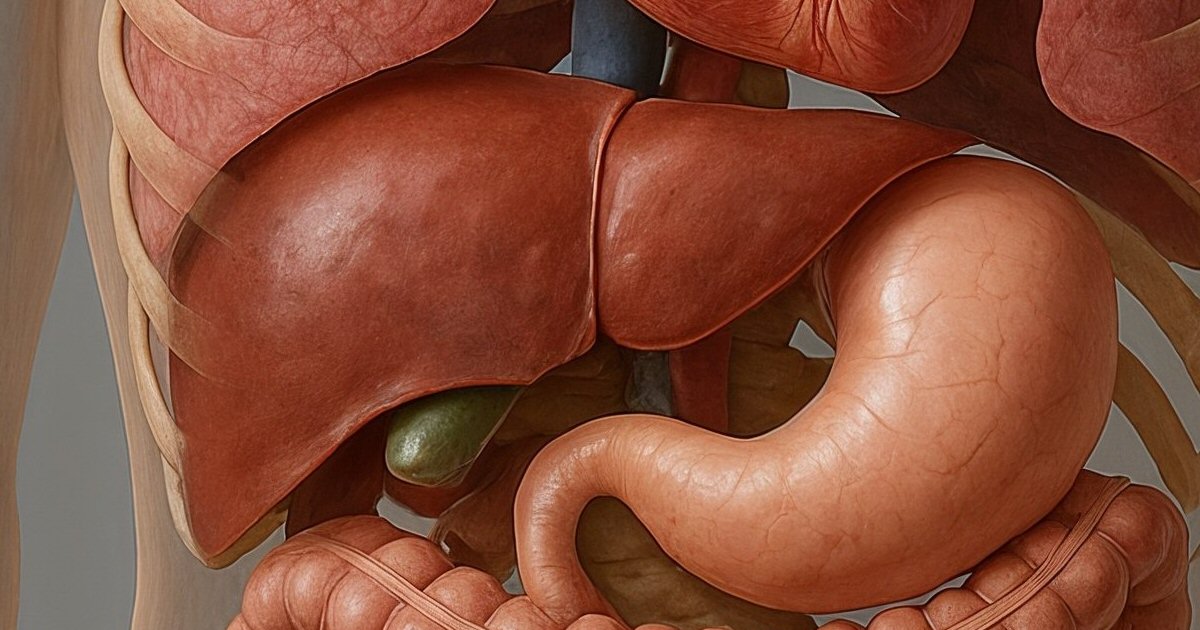
When growth hormone is released from the pituitary gland, it stimulates tissues, mainly in the liver, to produce IGF-1. This IGF-1 is then released into the bloodstream, where it exerts its growth-promoting effects on various other tissues.
IGF binding proteins bind to IGF-1, regulating its availability and activity at IGF-1 receptors.
The levels of IGF-1 in the body are determined by several factors, including:
- Liver function: Since it is made in the liver, any problems with the liver could mean that less is produced1.
- Age: IGF-1 levels tend to naturally decline with age.
- Genetic conditions: Problems with the IGF-1 gene itself or genes involved in the processing of the prohormone or receptor can lead to deficiency2. IGF1R haploinsufficiency leads to elevated IGF-1 levels but a decreased response to it3.
- Disease: Chronic liver diseases can lower IGF-1 levels4. Low levels or reduced responses to the hormone are linked to diseases, such as Alzheimer’s5, other neurodegenerative diseases6 and cardiovascular disease7. Endocrine disorders such as insulin resistance can lead to either elevated or lowered IGF-1 levels, depending on context8–11.
- Medications: Sodium-glucose cotransporter-2 inhibitors12, DHEA13, dopamine agonists14 and verapamil15 can increase IGF-1 levels, while clomiphene citrate16, atorvastatin17 and long-term somatostatin analogues can reduce IGF-118.
It may already be evident that exceptionally low or high levels should be avoided since there is evidence indicating this increases the risk of disease. This is a complicated, context-dependent topic that we will examine in more detail later in this article. Now that we understand what factors can influence IGF-1 levels, we should learn what IGF-1 actually does in the body.
Role in Growth and Development
It plays a vital role in growth and development, as it promotes:
- Cell proliferation19
- Organ growth20
- Tissue differentiation19
- Bone growth and remodelling21
- Brain development22
- Neuroplasticity22
It is particularly important during childhood and adolescence, when growth and development occur most rapidly. Because of the potentially beneficial activities of IGF-1, researchers have developed IGF-1 LR3.
IGF-1 vs. IGF-1 LR3: What’s the Difference?
In a research setting, IGF-1 LR3 is often used in preference to IGF-1. We will take a look at what makes these two peptides different and how the modifications present in IGF-1 LR3 make it a favourable choice for researchers.
Structure
The main differences between the structures of IGF-1 and IGF-1 LR3 are that the latter has glutamic acid instead of arginine at position 3 and has an extended chain of amino acids at the terminal end. IGF-1 has a half-life of only a few minutes23,24, while the modifications to IGF-1 LR3 confer greater stability, giving it a half-life of approximately 20-30 hours25. This means that IGF-1 LR3 remains active in the body for much longer than its endogenous version.
Function
The activity of IGF-1 can be controlled by the IGF binding proteins, which bind to IGF-1, preventing it from binding to receptors and blocking its activity. IGF-1 LR3 cannot be regulated in the same way. Because of the modifications to IGF-1 LR3, IGF binding proteins are less able to bind to it, making it more potent and longer lasting. This is advantageous for research and therapeutic uses.
Applications
Because of its superior stability and potent activity, IGF-1 LR3 is used in research to study pathways activated by IGF-1 signalling. IGF-1 LR3 exerts significant therapeutic benefits and is being tested in preclinical settings for potential applications.
Potential Benefits of IGF-1 LR3 in the Body
Now that we understand the function of IGF-1 as well as the differences and similarities between it and IGF-1 LR3, we will look at how this hormone could be used to benefit health.
Muscle Growth and Repair
IGF-1 is involved in the growth and repair of muscles, as it stimulates the proliferation of muscle satellite cells, which are essential for muscle regeneration and hypertrophy. It activates signalling pathways which lead to an increase in protein synthesis and muscle fibre growth and inhibits the breakdown and atrophy of muscles26.
During muscle injury, IGF-1 is naturally produced locally, predominantly by immune cells such as macrophages, which helps to reduce inflammation and promote repair27. It promotes mitochondrial biogenesis and turnover in muscle cells to support the energy demands associated with growth and repair28.
These properties make IGF-1 a promising lead for therapies that aim to reduce muscle wastage and degeneration.
Bone Density and Healing
IGF-1 has a significant positive effect on bone healing, which it exerts by stimulating the proliferation and differentiation of osteoblasts, supporting the regeneration of bone tissue after injury29. One study found that it was even more effective than BMP-7 (Bone Morphogenetic Protein -7) in promoting bone repair30.
Cognitive and Neurological Support
IGF-1 has been found to support neurogenesis, synaptic plasticity and neuronal survival, which are important for learning and memory. It is also involved in regulating oxidative stress and mitochondrial function. The dysregulation of these components is associated with increased neurodegeneration and cognitive decline31.
Low levels of IGF-1 are associated with reduced cognitive function32, with the age-related decline in IGF-1 possibly contributing to cognitive decline and increased risk of dementia33,34. Animal studies have found that increases in IGF-1 can improve memory and learning35, while reductions impair cognition36.
In studies looking at Alzheimer’s disease, IGF-1 demonstrated an ability to promote neurogenesis, reduce neuroinflammation and support neuronal survival in animal models37. It may also help to reduce certain symptoms associated with neurodegenerative diseases, such as anxiety and depression38,39.
Despite these promising results, not all studies have found IGF-1 to demonstrate positive effects on cognitive health. Exceptionally low or high IGF-1 levels are associated with an increased risk of dementia and stroke, and high levels are linked to an increased risk of Parkinson’s disease40.
Some of the results gained from studies have left us with what may appear to be inconclusive results as to the role of IGF-1 in cognition and neurodegeneration, but they help to demonstrate how complex this topic is. IGF-1’s positive effect on cognition appears to be dependent on maintaining balanced levels, with excessively high or low levels to be avoided.
Metabolic Effects
IGF-1 regulates protein, carbohydrate, and lipid metabolism. It generally decreases circulating insulin and glucose levels and can promote protein synthesis by activating anabolic signalling. This anabolic signalling inhibits protein degradation, promoting muscle hypertrophy and maintenance26.
It influences both the breakdown of fat (lipolysis) and fat cell formation (adipogenesis). Which one of these it promotes is dependent on factors such as insulin signalling and metabolic state41,42.
Lipolysis is promoted by IGF-1 under conditions of energy deprivation or metabolic stress, where it can enhance both carbohydrate and lipid metabolism, as well as increase glucose uptake and utilisation. It improves mitochondrial function and increases energy production, which makes sense given that this is a response to a state of low nutritional and caloric intake. At optimal levels, it can promote the burning of energy, helping to alleviate metabolic syndrome43. In adolescents, lower (but in the normal range) IGF-1 levels are associated with higher insulin sensitivity, particularly if they engage in long-term exercise44. This may suggest that only low-normal levels are required to exert metabolic benefits.
Conversely, adipogenesis is promoted by IGF-1 when there is an overabundance of energy45. When it functions in this manner, it is closely linked to the development of metabolic syndrome, with lower levels being associated with impaired lipid profiles, insulin resistance, higher blood glucose levels and an increased risk of obesity and cardiovascular disease.
The effects of IGF-1 can vary depending on factors such as sex, physiological context and underlying health conditions, demonstrating the complexity of the system that it plays a role in. It would appear that there is an optimal level of IGF-1 that lends itself to peak metabolic health, with a deviation towards deficiency or excess leading more towards metabolic dysregulation.
Negative Health Effects and Risks of Elevated IGF-1
Increased Cancer Risk
IGF-1 promotes cell survival, migration, proliferation, and resistance to stress (including chemotherapy), and does not distinguish between normal or cancerous cells when exerting this activity. These properties are all seen in cancer cells, and several studies have linked IGF-1 to an increased risk of developing cancers46.
In people with obesity, IGF levels are raised, which may partly explain the increased risk of developing endocrine cancers, as well as further implicate IGF-1 in cancer development47.
Accelerated Aging
The desirable level of IGF-1 is not a value set in stone. Generally, younger people benefit from a higher level as it supports growth and health, but as we age, higher levels are associated with an increased risk of age-related disease and mortality.
Some studies suggest that reducing levels later in life may help to reduce the risk of cancer48, while other studies emphasise the importance of raising levels in the brain in order to prevent cognitive decline49. Reduced IGF-1 signalling is linked to increased longevity in some animals, but in mammals, where IGF-1 and insulin pathways interact, the effect of IGF-1 levels on healthy aging is less clear50.
Excessive IGF-1 signalling increases the activity of the insulin/IGF-1 pathway, which may accelerate some aspects of aging by leading to immunosuppression, cellular senescence, and chronic low-grade inflammation51.
So, while IGF-1 is important for maintaining health as we age, both insufficiency and excess can lead to negative consequences. The optimal balance for health may depend on a number of individual factors.
Metabolic Imbalance
Although low-normal levels of IGF-1 are associated with insulin sensitivity, excessively high or low levels of IGF-1 are associated with insulin resistance, which can lead to chronic hyperglycaemia, oxidative stress, inflammation and endothelial dysfunction52.
Maintaining Healthy IGF-1 Levels Naturally
As we have learned, the body naturally regulates IGF-1 in response to our lifestyle, metabolic state and health, so altering factors such as diet, activity levels and other habits can have effects on IGF-1 expression by the body.
Lifestyle and Nutrition
Diet: Diets that are high in protein and consist of a high intake of energy are associated with higher IGF-1 levels53, while fasting, low-calorie, and ketogenic diets are associated with lower IGF-1 levels54. Supplements such as a combination of selenium and coenzyme Q1055, and DHEA13 have been found to increase IGF-1 levels.
Physical exercise: Resistance training is associated with increased IGF-1 levels. One study found a significant increase after 16 weeks of training56. The recovery phase of exercise sees an increase in IGF-1 levels, with the greatest increase observed when recovery is active as opposed to passive57.
Sleep: Sufficient and good quality sleep helps to improve IGF-1 levels, while disturbances in sleep and inadequate sleep have been shown to reduce IGF-1 and negatively affect cognitive function58.
Conclusion
IGF-1 plays an essential role in growth and health by mediating the effects of growth hormone, promoting cell proliferation, differentiation and anabolic processes. It balances bone growth and resorption, stimulates protein synthesis, muscle regeneration and hypertrophy and influences brain development, neuroplasticity, and repair mechanisms.
IGF-1 levels must be carefully balanced, as both excess and deficiency can lead to negative health outcomes. Low IGF-1 is associated with increased mortality, frailty, and medical complications due to the impaired tissue repair and metabolic dysfunction that comes with this deficiency. Excessively high IGF-1 could accelerate aging and lead to metabolic dysfunction. Striking the correct balance is important to maintain good health.
IGF-1 LR3 is more potent than IGF-1 as it has a lower affinity for IGF-1 binding proteins, which can prevent it from binding to receptors. It can also remain active for far longer than endogenous IGF-1 since the body cannot regulate its levels as effectively. This makes it an excellent substitute for IGF-1 during research applications as it strongly and persistently activates IGF-1 receptors.
Since research on IGF-1 LR3 has not progressed beyond preclinical studies, we do not know how it will behave in the human body, and it is not approved for human use outside of research settings. Studies so far would indicate that it does have value as a therapeutic agent if used appropriately.
References
- Adamek A, Kasprzak A. Insulin-Like Growth Factor (IGF) System in Liver Diseases. Int J Mol Sci. 2018;19(5):1308. doi:10.3390/ijms19051308
- Di Patria L, Annibalini G, Morrone A, et al. Defective IGF-1 prohormone N-glycosylation and reduced IGF-1 receptor signaling activation in congenital disorders of glycosylation. Cell Mol Life Sci. 2022;79(3):150. doi:10.1007/s00018-022-04180-x
- Pelosi P, Lapi E, Cavalli L, et al. Bone Status in a Patient with Insulin-Like Growth Factor-1 Receptor Deletion Syndrome: Bone Quality and Structure Evaluation Using Dual-Energy X-Ray Absorptiometry, Peripheral Quantitative Computed Tomography, and Quantitative Ultrasonography. Front Endocrinol. 2017;8:227. doi:10.3389/fendo.2017.00227
- Caregaro L, Alberino F, Amodio P, et al. Nutritional and prognostic significance of insulin-like growth factor 1 in patients with liver cirrhosis. Nutr Burbank Los Angel Cty Calif. 1997;13(3):185-190. doi:10.1016/s0899-9007(96)00399-1
- Talbot K, Wang HY, Kazi H, et al. Demonstrated brain insulin resistance in Alzheimer’s disease patients is associated with IGF-1 resistance, IRS-1 dysregulation, and cognitive decline. J Clin Invest. 2012;122(4):1316-1338. doi:10.1172/JCI59903
- Xu X, Yi M, Xiao C, et al. IGF-1 Provides Protective Role in Arteriosclerotic Cerebral Small Vessel Disease. Hypertension. 2025;82(6):1137-1150. doi:10.1161/HYPERTENSIONAHA.124.24341
- Obradovic M, Zafirovic S, Soskic S, et al. Effects of IGF-1 on the Cardiovascular System. Curr Pharm Des. 2019;25(35):3715-3725. doi:10.2174/1381612825666191106091507
- De Santi M, Annibalini G, Marano G, et al. Association between metabolic syndrome, insulin resistance, and IGF-1 in breast cancer survivors of DIANA-5 study. J Cancer Res Clin Oncol. 2023;149(11):8639-8648. doi:10.1007/s00432-023-04755-6
- Brener A, Sagi L, Shtamler A, Levy S, Fattal-Valevski A, Lebenthal Y. Insulin-like growth factor-1 status is associated with insulin resistance in young patients with spinal muscular atrophy. Neuromuscul Disord. 2020;30(11):888-896. doi:10.1016/j.nmd.2020.09.025
- Arinami H, Suzuki Y, Watanabe Y, Tajiri M, Tsuneyama N, Someya T. Association between insulin resistance and serum insulin-like growth factor 1 levels in patients with non-remitting major depressive disorder. J Affect Disord. 2024;344:612-616. doi:10.1016/j.jad.2023.10.009
- Kuang J, Zhang L, Xu Y, Xue J, Liang S, Xiao J. Reduced Insulin-Like Growth Factor 1 Is Associated with Insulin Resistance in Obese Prepubertal Boys. BioMed Res Int. 2021;2021(1):6680316. doi:10.1155/2021/6680316
- Shalaby YM, Nakhal MM, Afandi B, et al. Impact of sodium-glucose cotransporter-2 inhibitors on aging biomarkers and plasma ceramide levels in type 2 diabetes: beyond glycemic control. Ann Med. 57(1):2496795. doi:10.1080/07853890.2025.2496795
- Xie M, Zhong Y, Xue Q, et al. Impact of dehydroepianrosterone (DHEA) supplementation on serum levels of insulin-like growth factor 1 (IGF-1): A dose-response meta-analysis of randomized controlled trials. Exp Gerontol. 2020;136:110949. doi:10.1016/j.exger.2020.110949
- Akirov A, Greenman Y, Glaser B, et al. IGF-1 levels may increase paradoxically with dopamine agonist treatment for prolactinomas. Pituitary. 2018;21(4):406-413. doi:10.1007/s11102-018-0891-5
- Xu G, Chen J, Lu B, Sethupathy P, Qian WJ, Shalev A. Verapamil Prevents Decline of IGF-I in Subjects With Type 1 Diabetes and Promotes β-Cell IGF-I Signaling. Diabetes. 2023;72(10):1460-1469. doi:10.2337/db23-0256
- Mogar N, Zhang D, Heaney AP. Reduced IGF-1 Levels Following Clomiphene Treatment for Male Hypogonadism. J Endocr Soc. 2025;9(7):bvaf078. doi:10.1210/jendso/bvaf078
- Bergen K, Brismar K, Tehrani S. High-dose atorvastatin is associated with lower IGF-1 levels in patients with type 1 diabetes. Growth Horm IGF Res Off J Growth Horm Res Soc Int IGF Res Soc. 2016;29:78-82. doi:10.1016/j.ghir.2016.06.001
- Maiza JC, Vezzosi D, Matta M, et al. Long-term (up to 18 years) effects on GH/IGF-1 hypersecretion and tumour size of primary somatostatin analogue (SSTa) therapy in patients with GH-secreting pituitary adenoma responsive to SSTa. Clin Endocrinol (Oxf). 2007;67(2):282-289. doi:10.1111/j.1365-2265.2007.02878.x
- Hakuno F, Takahashi SI. IGF1 receptor signaling pathways. J Mol Endocrinol. 2018;61(1):T69-T86. doi:10.1530/JME-17-0311
- Stremming J, Heard S, White A, et al. IGF-1 infusion to fetal sheep increases organ growth but not by stimulating nutrient transfer to the fetus. Am J Physiol Endocrinol Metab. 2021;320(3):E527-E538. doi:10.1152/ajpendo.00453.2020
- Racine HL, Serrat MA. The Actions of IGF-1 in the Growth Plate and its Role in Postnatal Bone Elongation. Curr Osteoporos Rep. 2020;18(3):210-227. doi:10.1007/s11914-020-00570-x
- Dyer AH, Vahdatpour C, Sanfeliu A, Tropea D. The role of Insulin-Like Growth Factor 1 (IGF-1) in brain development, maturation and neuroplasticity. Neuroscience. 2016;325:89-99. doi:10.1016/j.neuroscience.2016.03.056
- Lewitt MS, Saunders H, Cooney GJ, Baxter RC. Effect of human insulin-like growth factor-binding protein-1 on the half-life and action of administered insulin-like growth factor-I in rats. J Endocrinol. 1993;136(2):253-260. doi:10.1677/joe.0.1360253
- Pan W, Kastin AJ. Interactions of IGF-1 with the Blood-Brain Barrier in vivo and in situ. Neuroendocrinology. 2000;72(3):171-178. doi:10.1159/000054584
- von der Thüsen JH, Borensztajn KS, Moimas S, et al. IGF-1 Has Plaque-Stabilizing Effects in Atherosclerosis by Altering Vascular Smooth Muscle Cell Phenotype. Am J Pathol. 2011;178(2):924-934. doi:10.1016/j.ajpath.2010.10.007
- Yoshida T, Delafontaine P. Mechanisms of IGF-1-Mediated Regulation of Skeletal Muscle Hypertrophy and Atrophy. Cells. 2020;9(9):1970. doi:10.3390/cells9091970
- Tonkin J, Temmerman L, Sampson RD, et al. Monocyte/Macrophage-derived IGF-1 Orchestrates Murine Skeletal Muscle Regeneration and Modulates Autocrine Polarization. Mol Ther J Am Soc Gene Ther. 2015;23(7):1189-1200. doi:10.1038/mt.2015.66
- Guan X, Yan Q, Wang D, Du G, Zhou J. IGF-1 Signaling Regulates Mitochondrial Remodeling during Myogenic Differentiation. Nutrients. 2022;14(6):1249. doi:10.3390/nu14061249
- Park J, Yan G, Kwon KC, et al. Oral delivery of novel human IGF-1 bioencapsulated in lettuce cells promotes musculoskeletal cell proliferation, differentiation and diabetic fracture healing. Biomaterials. 2020;233:119591. doi:10.1016/j.biomaterials.2019.119591
- Reible B, Schmidmaier G, Moghaddam A, Westhauser F. Insulin-Like Growth Factor-1 as a Possible Alternative to Bone Morphogenetic Protein-7 to Induce Osteogenic Differentiation of Human Mesenchymal Stem Cells in Vitro. Int J Mol Sci. 2018;19(6):1674. doi:10.3390/ijms19061674
- Bhalla S, Mehan S, Khan A, Rehman MU. Protective role of IGF-1 and GLP-1 signaling activation in neurological dysfunctions. Neurosci Biobehav Rev. 2022;142:104896. doi:10.1016/j.neubiorev.2022.104896
- Hayes CA, Wilson D, De Leon MA, et al. Insulin-like growth factor-1 and cognitive health: Exploring cellular, preclinical, and clinical dimensions. Front Neuroendocrinol. 2025;76:101161. doi:10.1016/j.yfrne.2024.101161
- Gökçe E, Kaushal N, Fontanille T, et al. The mediating role of lower body muscle strength and IGF-1 level in the relationship between age and cognition. A MIDUS substudy. Exp Gerontol. 2024;189:112399. doi:10.1016/j.exger.2024.112399
- Gong X, Ma M, Fan X, et al. Down-regulation of IGF-1/IGF-1R in hippocampus of rats with vascular dementia. Neurosci Lett. 2012;513(1):20-24. doi:10.1016/j.neulet.2012.01.077
- Zeng L, Yu T, Liu H, et al. IGF-1’s protective effect on OSAS rats’ learning and memory. Sleep Breath Schlaf Atm. 2024;28(5):1919-1928. doi:10.1007/s11325-024-03047-8
- Wan Y, Gao W, Zhou K, et al. Role of IGF-1 in Neuroinflammation and Cogniton Deficits Induced by Sleep Deprivation. In Review. Preprint posted online July 19, 2021. doi:10.21203/rs.3.rs-680306/v1
- Dunacka J, Grembecka B, Majkutewicz I, Wrona D. Central Insulin-like Growth Factor-1 Treatment Enhances Working and Reference Memory by Reducing Neuroinflammation and Amyloid Beta Deposition in a Rat Model of Sporadic Alzheimer’s Disease. Pharmaceuticals. 2025;18(4):527. doi:10.3390/ph18040527
- Weppner J, Rosenthal K, Bath J, Locklear T, Martinez M. IGF-1 as a Biomarker for Symptom Severity in Adult Traumatic Brain Injury: Evidence from an Observational Study. Neurotrauma Rep. 2025;6(1):345-354. doi:10.1089/neur.2025.0009
- Shi X, Zheng J, Ma J, et al. Correlation between serum IGF-1 and EGF levels and neuropsychiatric and cognitive in Parkinson’s disease patients. Neurol Sci Off J Ital Neurol Soc Ital Soc Clin Neurophysiol. 2023;44(3):881-887. doi:10.1007/s10072-022-06490-1
- Cao Z, Min J, Tan Q, Si K, Yang H, Xu C. Circulating insulin-like growth factor-1 and brain health: Evidence from 369,711 participants in the UK Biobank. Alzheimers Res Ther. 2023;15(1):140. doi:10.1186/s13195-023-01288-5
- Fang F, Goldstein JL, Shi X, Liang G, Brown MS. Unexpected role for IGF-1 in starvation: Maintenance of blood glucose. Proc Natl Acad Sci U S A. 2022;119(32):e2208855119. doi:10.1073/pnas.2208855119
- Ali AT, Hochfeld WE, Myburgh R, Pepper MS. Adipocyte and adipogenesis. Eur J Cell Biol. 2013;92(6-7):229-236. doi:10.1016/j.ejcb.2013.06.001
- Aguirre GA, De Ita JR, De La Garza RG, Castilla-Cortazar I. Insulin-like growth factor-1 deficiency and metabolic syndrome. J Transl Med. 2016;14(1):3. doi:10.1186/s12967-015-0762-z
- Guo X, Qiang J, Zhou Z, et al. Insulin sensitivity index independently predicts serum IGF-1 decreases in adolescents with long-term exercise. J Endocrinol Invest. 2025;48(7):1669-1676. doi:10.1007/s40618-025-02562-z
- Rong P, Mu Y, Wang M, et al. Targeting IGF1 to alleviate obesity through regulating energy expenditure and fat deposition. Sci China Life Sci. 2025;68(6):1662-1675. doi:10.1007/s11427-024-2768-y
- Werner H, Laron Z. Role of the GH-IGF1 system in progression of cancer. Mol Cell Endocrinol. 2020;518:111003. doi:10.1016/j.mce.2020.111003
- Zhong W, Wang X, Wang Y, Sun G, Zhang J, Li Z. Obesity and endocrine-related cancer: The important role of IGF-1. Front Endocrinol. 2023;14:1093257. doi:10.3389/fendo.2023.1093257
- Aguiar-Oliveira MH, Bartke A. Growth Hormone Deficiency: Health and Longevity. Endocr Rev. 2019;40(2):575-601. doi:10.1210/er.2018-00216
- Farias Quipildor GE, Mao K, Hu Z, et al. Central IGF-1 protects against features of cognitive and sensorimotor decline with aging in male mice. GeroScience. 2019;41(2):185-208. doi:10.1007/s11357-019-00065-3
- Junnila RK, List EO, Berryman DE, Murrey JW, Kopchick JJ. The GH/IGF-1 axis in ageing and longevity. Nat Rev Endocrinol. 2013;9(6):366-376. doi:10.1038/nrendo.2013.67
- Prud’homme GJ, Kurt M, Wang Q. Pathobiology of the Klotho Antiaging Protein and Therapeutic Considerations. Front Aging. 2022;3:931331. doi:10.3389/fragi.2022.931331
- Friedrich N, Thuesen B, Jørgensen T, et al. The Association Between IGF-I and Insulin Resistance. Diabetes Care. 2012;35(4):768-773. doi:10.2337/dc11-1833
- Wan X, Wang S, Xu J, et al. Dietary protein-induced hepatic IGF-1 secretion mediated by PPARγ activation. Guillou H, ed. PLOS ONE. 2017;12(3):e0173174. doi:10.1371/journal.pone.0173174
- Rajakumar G, Cagigas ML, Wang T, et al. Effect of ketogenic diets on insulin-like growth factor (IGF)-1 in humans: A systematic review and meta-analysis. Ageing Res Rev. 2024;102:102531. doi:10.1016/j.arr.2024.102531
- Alehagen U, Johansson P, Aaseth J, Alexander J, Brismar K. Increase in insulin-like growth factor 1 (IGF-1) and insulin-like growth factor binding protein 1 after supplementation with selenium and coenzyme Q10. A prospective randomized double-blind placebo-controlled trial among elderly Swedish citizens. PloS One. 2017;12(6):e0178614. doi:10.1371/journal.pone.0178614
- Jiang Q, Lou K, Hou L, et al. The effect of resistance training on serum insulin-like growth factor 1(IGF-1): A systematic review and meta-analysis. Complement Ther Med. 2020;50:102360. doi:10.1016/j.ctim.2020.102360
- Taipale RS, Gagnon SS, Ahtiainen JP, Häkkinen K, Kyröläinen H, Nindl BC. Active recovery shows favorable IGF-I and IGF binding protein responses following heavy resistance exercise compared to passive recovery. Growth Horm IGF Res. 2019;48-49:45-52. doi:10.1016/j.ghir.2019.09.001
- Chennaoui M, Léger D, Gomez-Merino D. Sleep and the GH/IGF-1 axis: Consequences and countermeasures of sleep loss/disorders. Sleep Med Rev. 2020;49:101223. doi:10.1016/j.smrv.2019.101223