Some of the latest and most effective weight loss peptides work by targeting glucagon-like peptide-1 receptors (GLP-1R). These drugs work by altering metabolism, regulating blood sugar levels and promoting a feeling of satiety. Many new drugs have been developed that target not only GLP-1R but also glucose-dependent insulinotropic polypeptide (GIP) and glucagon (GCG) receptors with the intention of enhancing weight loss and blood glucose control. Many people who take these drugs have noticed effects other than just weight loss and better blood glucose control. These drugs are now understood to affect behaviour. This article will look at common receptor targets for weight loss drugs and what they do, then explore how they affect the way someone behaves.
What Receptors are Being Targeted by Weight Loss Peptides?
GLP-1Rs have been the target of many new weight loss peptides, but by targeting additional receptors, an even more pronounced therapeutic effect has been observed. These other receptor targets include GIP, GCG, amylin1,2 and growth hormone secretagogue (GHS) receptors3,4. Let’s first start by looking at each of these common receptor targets in terms of their ability to promote weight loss.
What do Each of These Receptors do?
As mentioned above, the common receptors that are targeted by weight loss peptides include GLP1, GIP and GCG. No amylin or GHS receptor agonists (RAs) have been approved for weight loss yet, so there is far less data on how these interact with GLP-1RAs to influence behaviour and they will not be covered in this article. The effect of GLP-1R agonism on behaviour has been most extensively researched, so we will focus on the effects of activating this receptor and receptors that are often targeted in combination with it.
GLP-1
GLP-1 is the name of the ligand that binds to GLP-1R, activating it. GLP-1Rs are found mainly in the pancreas, brain and GI tract.
GLP-1 is normally produced in response to a meal and:
- Stimulates insulin secretion
- Inhibits glucagon release
- Regulates lipid metabolism
- Delays gastric emptying
- Suppresses appetite5
When GLP-1R is activated by GLP-1 or another GLP-1 RA, such as the weight loss peptide, semaglutide, the above responses are promoted.
GIP
GIP is the ligand of GIP receptors (GIPR). GIPRs are found mainly in the pancreas, adipose tissue, GI tract and brain.
Like GLP-1, GIP is normally secreted after a meal and:
- Stimulates insulin secretion
- Promotes fat accumulation and moderates lipid metabolism
- Promotes bone growth
- Suppresses appetite6
- Reduces GLP-1 induced nausea7
Interestingly, studies have found that either agonism or antagonism of GIPR in combination with GLP-1R agonism promotes weight loss.
GCG
Receptors for this hormone are found mostly in the liver and kidneys, but are also found in other organs, including the pancreas, adipose tissue and brain.
GCG works in an opposing way to insulin. It is typically released in response to an energy deficit and:
- Raises blood glucose levels when low
- Converts glycogen in the liver to glucose
- Aids in protein metabolism in the liver8
From this brief overview of these hormones, we can see that there appears to be a combination of synergistic and antagonistic effects. Clinical tests have found that the overall result of the simultaneous agonism of these three hormone receptors is fat loss and blood glucose regulation. Retatrutide is a good example of this, as it agonises all three receptors and produces a potent reduction in weight when compared to other similar drugs.
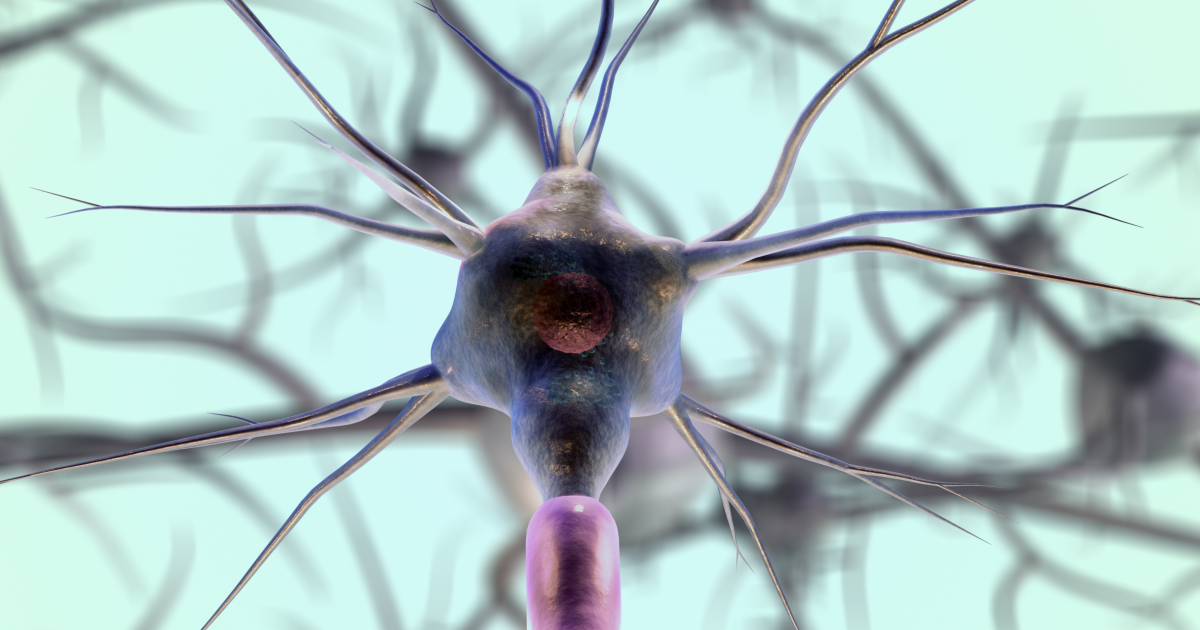
But the purpose of this article is to highlight some additional effects that these drugs have been found to have, effects that extend beyond weight loss. The activities of each of the receptors that have been highlighted thus far explain why these receptors have been targeted by drug companies and how they might work together to promote weight loss, but this brief summary does not explain all of the changes in behaviour associated with GLP-1RAs. Receptors for each of these hormones exist in the brain and it is now known that drugs targeting these receptors alter our mood and behaviour. Research has begun to elucidate the extent of these behavioural effects and the mechanisms behind them.
How Weight Loss Peptides Affect Behaviour
The most well known effect of these weight loss peptides on behaviour is their ability to suppress appetite. But they do this through more than one way and exert additional effects on top of this. All of these receptors are present and can modulate activity in areas of the brain known to be responsible for controlling appetite, feelings of nausea and reward processing. Most of the research on behavioural effects focuses on GLP-1RAs, so we will look at how agonism of this receptor in particular can modify behaviour.
Reward Processing
Excessive eating and substance abuse activate emotional states and the motivation to pursue the feeling of reward. These responses towards food tend to be more pronounced in those with obesity and drug addiction9,10. Essentially, the dopamine mediated reward experienced is abnormally enhanced.
GLP-1RAs modulate dopamine levels and glutamatergic neurotransmission in reward circuits. This dampens the release of dopamine in response to drugs that would otherwise produce a strong reward response11.
Research on both animal models and humans has found that reward related behaviours can indeed be influenced by GLP-1RAs. The use of nicotine, alcohol and other substances has been shown to be significantly reduced in patients taking semaglutide12,13.
This reward attenuating effect has been repeatedly seen in studies on rodents that were fed alcohol. After semaglutide was administered, binge-like alcohol consumption and overall alcohol intake was significantly reduced14,15. Tirzepatide, a GLP-1 and GIP receptor agonist, also reduced alcohol consumption in rodents16.
Eating Behaviour
Studies in both humans and animals have found that decisions regarding what foods to eat change when taking GLP-1RAs, with less of a preference for energy dense and palatable foods17.
“Food noise” is a term used to describe intrusive thoughts about food and cravings. This is reduced in patients taking GLP-1RAs. This reduction in food focused thoughts is accompanied by reduced food intake and more lasting satiety18. When initially starting a treatment with one of these types of weight loss peptides, nausea is a commonly experienced side effect, which may contribute to a lower food intake, although this subsides as patients continue to take the drug19.
Mood
Some people may notice an improvement in quality of life due to the greater control they have over their eating and weight loss, but for some, it may increase the risk of mental health problems. An increase in anxiety, depression and suicidal ideation was seen in those taking semaglutide and liraglutide. One study found that, after 5 years, there was a 98% increase in the risk of developing a psychiatric disorder when compared to obese individuals who did not receive GLP-1RAs20.
This contrasts with the results of another study that followed patients taking semaglutide over 68 weeks and found a small reduction in depressive symptoms21.
Conclusion
Weight loss peptides that work by targeting GLP-1 receptors are effective at promoting weight loss, not only because of their ability to enhance fat loss and control blood glucose levels, but also because of their ability to influence behaviour towards food and other rewarding activities. It is normal for us to want to seek out food, but the food industry has exploited our natural instincts, driving us to consume greater volumes of nutritionally inferior foods, making it difficult for many people to make healthy dietary choices. GLP-1RAs appear to help reduce the feeling of reward that we experience, making it easier to control how much we eat, how much alcohol we drink, how much nicotine we take and may help us to regain control over substance addictions. We should carefully follow the results of research on this topic as we learn more about these drugs to look out for the potential negative effects that these may have on mood and motivation.
References
- Dahl K, Toubro S, Dey S, et al. Amycretin, a novel, unimolecular GLP-1 and amylin receptor agonist administered subcutaneously: results from a phase 1b/2a randomised controlled study. Lancet. 2025;406(10499):149-162. doi:10.1016/S0140-6736(25)01185-7
- Garvey WT, Blüher M, Osorto Contreras CK, et al. Coadministered Cagrilintide and Semaglutide in Adults with Overweight or Obesity. N Engl J Med. 2025;393(7):635-647. doi:10.1056/NEJMoa2502081
- Holm SK, Johansen VBI, Ranea-Robles P, et al. Sustained Weight Loss With Combined LEAP2 and Semaglutide Treatment in Mice. Diabetes. 2025;74(11):2089-2100. doi:10.2337/db24-1056
- Yada T, Dezaki K, Iwasaki Y. GLP-1 and ghrelin inversely regulate insulin secretion and action in pancreatic islets, vagal afferents, and hypothalamus for controlling glycemia and feeding. Am J Physiol-Cell Physiol. 2025;328(6):C1793-C1807. doi:10.1152/ajpcell.00168.2025
- Müller TD, Finan B, Bloom SR, et al. Glucagon-like peptide 1 (GLP-1). Mol Metab. 2019;30:72-130. doi:10.1016/j.molmet.2019.09.010
- Seino Y, Fukushima M, Yabe D. GIP and GLP‐1, the two incretin hormones: Similarities and differences. J Diabetes Investig. 2010;1(1-2):8-23. doi:10.1111/j.2040-1124.2010.00022.x
- Borner T, Geisler CE, Fortin SM, et al. GIP Receptor Agonism Attenuates GLP-1 Receptor Agonist–Induced Nausea and Emesis in Preclinical Models. Diabetes. 2021;70(11):2545-2553. doi:10.2337/db21-0459
- Kajani S, Laker RC, Ratkova E, Will S, Rhodes CJ. Hepatic glucagon action: beyond glucose mobilization. Physiol Rev. 2024;104(3):1021-1060. doi:10.1152/physrev.00028.2023
- Dakanalis A, Mentzelou M, Papadopoulou SK, et al. The Association of Emotional Eating with Overweight/Obesity, Depression, Anxiety/Stress, and Dietary Patterns: A Review of the Current Clinical Evidence. Nutrients. 2023;15(5):1173. doi:10.3390/nu15051173
- Volkow ND, Wang GJ, Fowler JS, Tomasi D, Baler R. Food and drug reward: overlapping circuits in human obesity and addiction. Curr Top Behav Neurosci. 2012;11:1-24. doi:10.1007/7854_2011_169
- Dang V, Sambuco N, Yammine L, Versace F. Do GLP-1 Receptor Agonists Alter Brain Responses to Reward-Related Cues? A Systematic Review. bioRxiv. Published online February 5, 2026:2026.01.31.702984. doi:10.64898/2026.01.31.702984
- Bruns Vi N, Tressler EH, Vendruscolo LF, Leggio L, Farokhnia M. IUPHAR review – Glucagon-like peptide-1 (GLP-1) and substance use disorders: An emerging pharmacotherapeutic target. Pharmacol Res. 2024;207:107312. doi:10.1016/j.phrs.2024.107312
- Hendershot CS, Bremmer MP, Paladino MB, et al. Once-Weekly Semaglutide in Adults With Alcohol Use Disorder: A Randomized Clinical Trial. JAMA Psychiatry. 2025;82(4):395-405. doi:10.1001/jamapsychiatry.2024.4789
- Chuong V, Farokhnia M, Khom S, et al. The glucagon-like peptide-1 (GLP-1) analogue semaglutide reduces alcohol drinking and modulates central GABA neurotransmission. JCI Insight. 8(12):e170671. doi:10.1172/jci.insight.170671
- Aranäs C, Edvardsson CE, Shevchouk OT, et al. Semaglutide reduces alcohol intake and relapse-like drinking in male and female rats. eBioMedicine. 2023;93:104642. doi:10.1016/j.ebiom.2023.104642
- Edvardsson CE, Adermark L, Gottlieb S, et al. Tirzepatide reduces alcohol drinking and relapse-like behaviours in rodents. eBioMedicine. 2026;124:106119. doi:10.1016/j.ebiom.2025.106119
- Badulescu S, Tabassum A, Le GH, et al. Glucagon-like peptide 1 agonist and effects on reward behaviour: A systematic review. Physiol Behav. 2024;283:114622. doi:10.1016/j.physbeh.2024.114622
- Hayashi D, Edwards C, Emond JA, et al. What Is Food Noise? A Conceptual Model of Food Cue Reactivity. Nutrients. 2023;15(22):4809. doi:10.3390/nu15224809
- Fortin SM, Chen JC, Petticord MC, Ragozzino FJ, Peters JH, Hayes MR. The locus coeruleus contributes to the anorectic, nausea, and autonomic physiological effects of glucagon-like peptide-1. Sci Adv. 2023;9(38):eadh0980. doi:10.1126/sciadv.adh0980
- Kornelius E, Huang JY, Lo SC, Huang CN, Yang YS. The risk of depression, anxiety, and suicidal behavior in patients with obesity on glucagon like peptide-1 receptor agonist therapy. Sci Rep. 2024;14(1):24433. doi:10.1038/s41598-024-75965-2
- Wadden TA, Brown GK, Egebjerg C, et al. Psychiatric Safety of Semaglutide for Weight Management in People Without Known Major Psychopathology: Post Hoc Analysis of the STEP 1, 2, 3, and 5 Trials. JAMA Intern Med. 2024;184(11):1290-1300. doi:10.1001/jamainternmed.2024.4346