
As we get older, our mental sharpness can decline, but this isn’t something that happens only in old age. Stress and managing the demands of a busy life can leave us with brain fog, creating a barrier to peak mental performance. As a result, focus can slip, memory falters, and decision-making feels hard.
The typical treatment for dealing with the debilitating effects of brain fog is to reduce stress, exercise, improve hydration and get better sleep; it isn’t always easy to facilitate those changes when you have a busy lifestyle. However, clinical research suggests there may be another way.
Scientists studying peptides are uncovering amazing links between these tiny molecular messengers and how the brain works. Learning how peptides have an influence on brain health gives important clues to advance the future understanding of mental abilities.
The Growth Hormone-Cognition Connection
Before diving into peptides, it helps to first grasp the basic science linking growth hormone and brain function. These two are tied together.
An important study led by Falleti and others looked at 13 professional research papers and found strong proof that lacking growth hormone affects cognitive performance. (1) The study showed GH-deficient individuals had noticeable difficulties with focus, memory, and decision-making compared to others without the deficiency. However, in a clinical trial, when starting GH therapy, improvements in cognitive function were noted. Within 3 to 6 months of starting treatment, skills like focus, problem-solving, and spatial reasoning got better, with further gains seen within the first year. (1)
Additionally, memory continued to improve over extended treatment periods, up to 10 years in some studies, though cognitive performance did not fully normalise to control levels. (1)
How Growth Hormone Influences the Brain
The mechanism behind GH’s cognitive effects involves multiple pathways:
The HGH-IGF-1 Axis
Human growth hormone acts through insulin-like growth factor 1, a hormone it triggers. Both HGH and IGF-1 pass the blood-brain barrier and affect brain activity. These hormones connect with the hippocampus. This small area in the medial temporal lobe plays a key role in forming memories, learning new things, handling emotions, and understanding the space around you. (2)
Neurotransmitter Regulation
GH influences neurotransmitter systems essential to cognition, affecting how effectively different brain regions communicate. When GH levels are insufficient, neurotransmitter balance deteriorates, impairing cognitive processes. (2)
Neuroplasticity and Neural Development
GH supports the formation and plasticity (adaptability) of neurons, critical for memory consolidation and learning. This is particularly important in childhood brain development, but neuroplasticity remains relevant throughout life. (2)
HGH is FDA-approved, but only to treat specific conditions such as Turner syndrome, Prader-Williams syndrome, and idiopathic short stature, typically treated in childhood. However, as the studies above clearly demonstrate, HGH has the potential to be effective in other areas too.
Peptides That Target Cognitive Pathways
While human growth hormone itself has been extensively studied, alternative peptides that stimulate the body’s own growth hormone production have also been researched. Peptides are synthetic compounds that work through different mechanisms to HGH, but ultimately influence similar cognitive pathways, producing similar outcomes.
Growth Hormone Secretagogues: CJC-1295 and Ipamorelin
CJC-1295 is a growth hormone-releasing hormone (GHRH) analogue that stimulates the pituitary gland to release GH.
Ipamorelin is a ghrelin receptor agonist that works through a complementary pathway.
Due to comprehensive research, these two peptides are often used together as a ‘stack’ because of their complementary effects on sleep quality, cognitive function and recovery.
A 2006 study in the Journal of Clinical Endocrinology and Metabolism demonstrated that CJC-1295 produced sustained, dose-dependent increases in GH and IGF-1 levels over several weeks in healthy adults. (3) Animal and small human studies on Ipamorelin have shown GH stimulation with a relatively favourable cortisol profile compared to earlier compounds.
However, human studies on both Ipamorelin and CJC-1295 are smaller clinical trials, lasting only for short durations and conducted on specific participants, who were often patients who were deficient in growth hormone. This doesn’t discredit their potential, but more extensive research is required.
Semax and Selank
Beyond growth hormone secretagogues, other peptides target cognitive function through distinct mechanisms.
Semax is a man-made peptide that researchers have examined to analyse its effect on brain-derived neurotrophic factor, or BDNF. BDNF is a vital protein that plays a role in how the brain processes learning, memory, and adaptability. Studies show Semax might boost dopamine pathways, which can help with focus and motivation. It may also improve brain adaptability without causing stimulant-type side effects. (4)
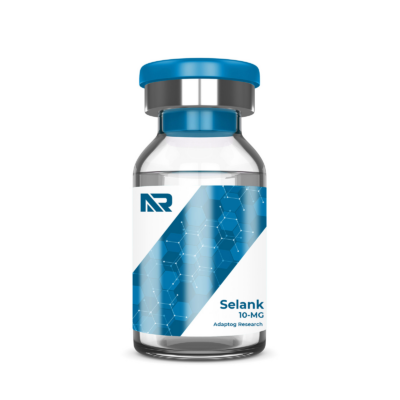
Selank is another peptide scientists have explored to study how it helps balance neurotransmitters like GABA and serotonin. It may help lower anxiety and improve calm focus, which could allow people to think more without mental distractions. (5)
A study in Behavioural Brain Research looked into Semax as a way to boost cognitive function. Researchers highlighted its ability to help learning and memory by affecting the hippocampal BDNF/trkB system. They noted that using it in clinical settings still needs more research. (6)
BPC-157
BPC-157 (Body Protection Compound-157) is a synthetic peptide derived from a naturally occurring protein in gastric juices. While primarily studied for tissue repair and gut health, emerging research explores its neuroprotective effects.
BPC-157 has been investigated for its ability to reduce brain inflammation, support neuron repair after injury or trauma, and enhance memory and cognitive function. Its mechanism involves enhancing nerve regeneration and supporting brain health recovery from neurological injuries, though human clinical trials remain limited. (7)
The Future of Peptides
The research into peptides is incredibly exciting; there is a huge amount of potential across multiple mechanisms and targeting the improvement and enhancement of several of the body’s processes. This could result in an overhaul in how some conditions are treated, as well as post op recovery and more.
However, for the topic of brain function, here’s what we know:
What’s Established
- Growth hormone deficiency impairs cognitive function across multiple domains (attention, memory, executive function)
- GH replacement therapy improves cognitive performance in GH-deficient individuals
- Peptides that stimulate GH release produce measurable increases in GH and IGF-1 levels
- Specific peptides like Semax and Cerebrolysin show promise in targeted cognitive applications
What Remains Unclear:
- Whether GH-stimulating peptides improve cognition in healthy, cognitively normal adults
- The magnitude and duration of cognitive benefits in non-deficient populations
- Long-term safety profiles and optimal dosing protocols in humans
- How individual variation in genetics, lifestyle, and baseline health affects peptide efficacy
Regulatory agencies like the FDA have not approved most peptides for cognitive function in non-deficient populations, reflecting this evidence gap.
Sleep, Recovery, and Cognitive Function
One mechanism through which peptides may influence cognition is indirectly via improved sleep and recovery.
Growth Hormone plays a critical role in slow-wave sleep architecture, which is the deepest, most restorative sleep stage. By supporting GH signalling, peptides like CJC-1295 and Ipamorelin may enhance sleep quality, which in turn supports cognitive consolidation, memory formation, and mental clarity during waking hours.
Research consistently demonstrates that sleep deprivation impairs attention, working memory, and executive function, so by supporting sleep function, indirectly, brain function should improve.
Conclusion: The Future of Peptides For Cognitive Function
The link between peptides, growth hormone signalling, and how the brain works is not only fascinating but incredibly promising. Researchers have discovered the specific working mechanisms, and they have been able to observe positive outcomes in small clinical trials. There is clear potential for peptides to support mental sharpness and help keep the mind strong, especially as we age or go through periods of high stress.
However, there are still gaps in our understanding. It’s a step too far to exclusively claim that “peptides will give you a mental boost” and have peptides as an official treatment.
What we do know is this: science is making progress, as more comprehensive trials are happening. The overlap between peptide studies and brain science is one of the most exciting areas when it comes to improving brain health and cognitive performance.
References
- The effects of growth hormone (GH) deficiency and GH replacement on cognitive performance in adults: a meta-analysis of the current literature – PubMed
- Cognitive function in growth hormone deficiency and growth hormone replacement – PubMed
- Prolonged stimulation of growth hormone (GH) and insulin-like growth factor I secretion by CJC-1295, a long-acting analog of GH-releasing hormone, in healthy adults – PubMed
- Semax, an ACTH(4-10) analogue with nootropic properties, activates dopaminergic and serotoninergic brain systems in rodents – PubMed
- Effect of Selank on Spontaneous Synaptic Activity of Rat Hippocampal CA1 Neurons – PubMed
- Semax, an analog of ACTH(4-10) with cognitive effects, regulates BDNF and trkB expression in the rat hippocampus – PubMed ..
- Angiogenic and anti-angiogenic therapy for gastrointestinal ulcers: new challenges for rational therapeutic predictions and drug design – PubMed