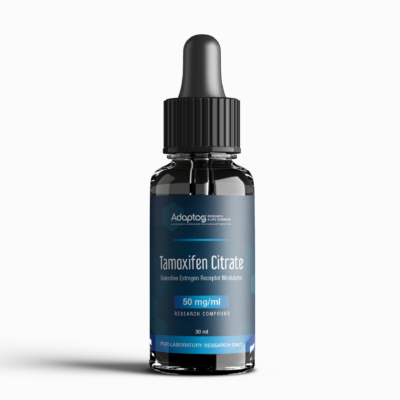

You might think you haven’t heard of weight-loss peptides, but you most likely have, under brand names such as Wegovy and Saxenda. Weight loss peptides are delivering unprecedented results, transforming the approach to managing obesity and obesity-related illnesses.
Semaglutide, tirzepatide, and retatrutide represent the cutting edge of pharmacological weight reduction, with clinical trials demonstrating body weight reductions of 15-25% in participants.
However, recent research has uncovered a concerning pattern: these powerful peptides may be associated with greater-than-expected muscle loss relative to total weight reduction. We examine whether muscle atrophy is an inevitable side effect of weight-loss peptides.
Understanding Muscle Loss During Weight Reduction
When your body is in a calorie deficit, it burns through fat stores as well as lean muscle mass. The lean muscle mass becomes particularly vulnerable when weight loss happens rapidly, such as during medicated weight loss.
When losing weight traditionally, a person tends to lose 70-80% of the weight as fat mass and 20-30% as lean tissue. However, peptides potentially seem to alter this split to burn more lean tissue.
Semaglutide: The GLP-1 Receptor Agonist
What Is Semaglutide?
Semaglutide is a glucagon-like peptide-1 (GLP-1) receptor agonist originally developed for type 2 diabetes management. You may have heard of it under its tablet form of Wegovy or its injectable form of Ozempic, making it an FDA-approved product.
It works by mimicking the GLP-1 hormone, which regulates appetite, insulin secretion, and gastric emptying. The peptide has gained global recognition for its remarkable weight loss effects.
Body Composition Changes with Semaglutide
Recent studies on semaglutide have highlighted some concerns about muscle loss for users.
Key Findings:
- The muscle loss proportion was consistently higher than anticipated across studies.
- The volume of lean tissue reduction calls for closer real-world and clinical monitoring.
- Very few studies included participants older than 60 years, leaving gaps in the understanding of age-specific effects.
Semaglutide and Muscle Preservation
Real-world data, along with clinical trials, have indicated that while semaglutide is able to accelerate and facilitate substantial weight loss, it has also disproportionately caused muscle loss. This is a particular concern for older users, for whom muscle loss can have far more implications.
Potential Concerns:
- More data is needed to assess the long-term muscle loss concerns and the effects of that muscle loss.
- A far higher ratio of muscle loss to fat loss when compared with non-medicated weight loss.
- Is there a need for more active monitoring of muscle composition during treatment?
- A loss of muscle causes more risks to older users, for instance, such as increased falls.
Tirzepatide: The Dual GIP/GLP-1 Receptor Agonist
How does it work?
Tirzepatide is an advancement in peptide technology compared to its earlier counterparts. It functions as a dual glucose-dependent insulinotropic polypeptide (GIP) and GLP-1 receptor agonist. Because of its dual mechanism, it delivers an improvement in weight loss, both in speed and results, when compared to single-receptor agonist weight loss peptides.
Tirzepatide is already FDA-approved and can be prescribed under its product names, Mounjaro and Zepbound.
Body Composition Data
In clinical trials, tirzepatide showed significant weight reduction in users with type 2 diabetes and other obesity-related concerns. As with most medicated weight loss, muscle loss remains a consideration.
Tirzepatide Body Composition Profile:
- Substantial reductions in total body fat mass
- Decreases in visceral adipose tissue, commonly known as visceral fat, are stored deep within the abdominal cavity.
- Some loss of lean muscle mass observed
Clinical Implications
Because of tirzepatide’s dual receptor activation, it potentially offers an improved capability of preserving muscle mass compared to single-receptor agonist peptides. Although more real-world data is still emerging, tirzepatide appears to be a more favourable option for greater fat loss relative to lean muscle mass loss.
Retatrutide: The Triple Receptor Agonist
Advanced Mechanism
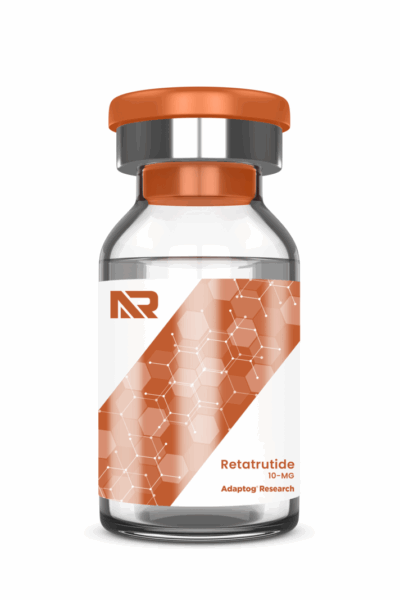
Retatrutide is the newest generation of weight-loss peptides. It is a powerful triple agonist at GIP, GLP-1, and glucagon receptors. Its unique process provides stable and consistent glucose control and delivers weight loss exceeding that of other weight loss peptides.
Retatrutide is not yet FDA-approved and, as of May 2026, is currently in phase 3 clinical trials.
Body Composition Analysis
A previous phase 2 clinical trial specifically examined body composition changes with retatrutide in participants with type 2 diabetes. The results demonstrated impressive fat mass reduction with notable lean mass considerations.
Retatrutide Clinical Data:
- Up to 26.1% reduction in total body fat mass at week 36
- Mean reductions up to 10.9 kg in total fat mass
- Up to 0.6 kg reduction in android visceral fat mass
- Loss of up to 6.5 kg in lean mass observed
- Fat loss index consistent with other weight loss treatments
Glucagon Receptor Concerns
The initial thoughts of including glucagon receptor activation in the retargeting mechanism were ones of concern. Trial users have had their muscle preservation closely monitored, and clinical data have shown positive results regarding lean muscle mass compared to other weight loss peptides. The fat loss to muscle mass loss ratio has been shown to be within an acceptable range.
Simply put, retatrutide seems to be able to deliver rapid weight loss without a significant loss of lean muscle mass that you might get from other peptides.
Retatrutide Advantages:
- Greater fat mass reduction than lean mass loss
- Improved body composition overall
- Significant visceral fat reduction
- Maintained an acceptable fat loss index
CJC-1295: Growth Hormone Secretagogue Considerations
Mechanism and Muscle Preservation
CJC-1295 is a growth hormone-releasing hormone analogue that stimulates growth hormone secretion. In comparison to appetite-suppressing hormones, such as the ones mentioned above, CJC-1295 appears to offer enhanced muscle preservation during calorie restriction.
Potential Role in Combination Protocols
Some researchers and clinicians have explored combining muscle-preserving peptides like CJC-1295 with weight loss peptides to optimise body composition outcomes. Growth hormone’s anabolic effects on muscle tissue may counteract some lean mass loss.
Theoretical Benefits:
- Stimulates growth hormone release
- May support muscle protein synthesis
- Could improve body composition during weight loss
- Potential synergy with weight loss peptides
CJC-1295 is not FDA-approved for human consumption and is only sold for research purposes, you can purchase CJC-1295 HERE
Is Muscle Atrophy Inevitable?
So far, the evidence suggests that muscle loss during peptide-assisted weight reduction is not inevitable, but instead requires proactive management. Several factors influence the degree of lean mass preservation:
Factors Affecting Muscle Preservation
Protein Intake:
- Increased and appropriate protein consumption supports muscle retention – the correct amount of protein per person will vary depending on weight and body composition.
- Higher protein intake may protect against muscle loss during weight reduction
- The timing and distribution of protein throughout the day are important
Resistance Training:
- Resistance exercise is one of the best things you can do for muscle preservation
- Strength training signals to your body that it needs to maintain lean tissue
- Consistent training throughout weight loss is critical
Speed of Weight Loss:
- Losing weight slowly enables you to preserve more muscle
- Rapid weight loss will increase the lean mass loss ratio
- Gradual approaches allow better adaptation, so peptide-backed weight loss could be managed via smaller doses.
Age Considerations:
- Older adults are at a higher risk of muscle loss during weight reduction, especially rapid weight reduction.
- Age-related muscle loss (sarcopenia) can exacerbate muscle loss in relation to peptide use.
- Older populations require more aggressive muscle-preservation strategies.
A Balanced Perspective
Muscle atrophy during peptide-assisted weight loss is not inevitable, but with certain lifestyle habits, it can be managed.
Semaglutide, tirzepatide, and retatrutide deliver remarkable weight reduction results, though recent evidence suggests the proportion of muscle loss likely exceeds that of non-assisted weight loss.
The key to maintaining lean muscle mass during peptide-backed weight loss is to actively prevent muscle loss as much as possible.
This can be done by increasing protein intake, as well as resistance and weight training.
Although some of these peptides are readily available, we advise speaking to a medical professional first to ensure appropriate monitoring and support.
Disclaimer:
Not all peptides mentioned in this article are approved for human consumption. Our products are sold for research purposes only.
The information on this page is for educational and research purposes only. It is not medical advice or a treatment recommendation.
References:
Wegovy (semaglutide): a new weight loss drug for chronic weight management – PubMed
Clinical Pharmacokinetics of Semaglutide: A Systematic Review – PubMed
Efficacy of Semaglutide in a Subcutaneous and an Oral Formulation – PubMed
Tirzepatide for Obesity Treatment and Diabetes Prevention – PubMed
Retatrutide-A Game Changer in Obesity Pharmacotherapy – PubMed
The power of three: Retatrutide’s role in modern obesity and diabetes therapy – PubMed